



US introduces law to support seafood workforce
The US has introduced legislation to help the seafood industry meet workforce demands and protect seasonal workers.
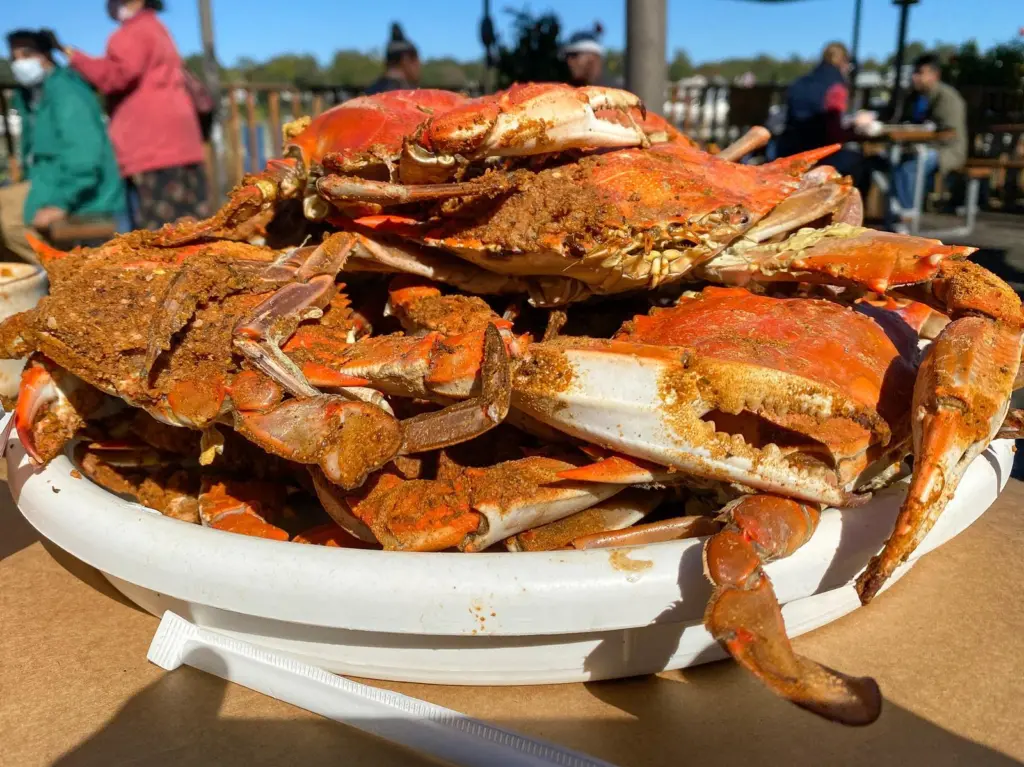
The Save Our Seafood (SOS) Act, introduced by senators Lisa Murkowski (R-AK) and Tim Kaine (D-VA), would exempt fish processors from the H-2B visa caps, boosting the industry and strengthening local economies.
“Alaska’s seafood industry is a delicate chain – and when processors don’t have the workforce to meet demand, the whole industry can fall apart,” said Senator Murkowski.
“Coastal communities, family-owned fishing boats, and Alaskans who work in the industry need to know that they have fully-functioning operations where they can deliver their catch.”
Senator Kaine said the seafood industry is critical to Virginia’s economy. “I often hear from Virginia’s seafood processors about how hard it is to find seasonal workers, so I’m glad to introduce this bipartisan legislation with my colleagues to make it easier for these businesses to hire the workers they need,” he said.
The legislation will reduce the uncertainty small businesses face each year as they scramble to apply for visas. “This legislation provides a permanent, tailored fix for the H-2B program to better position Maryland’s seafood businesses to consistently meet their seasonal workforce needs while also supporting American jobs,” said Senator Van Hollen.
The news has been welcomed by the industry with Jack Brooks, president of the Chesapeake Bay Seafood Industries Association, highlighting how critical these visas are to traditional seasonal jobs. “These hardworking people who come to Maryland every season under this very important programme support thousands of jobs of American citizens and small seafood businesses around Maryland’s Chesapeake Bay,” he said.
“Due to the scarcity of H-2B visas, Maryland has lost more than 40 of its seafood processing companies since the 90s – and now we have fewer than a dozen left.”
Related Articles
 FISHERIES
 FISHERIES
 FISHERIES