




Ukraine war hits EU fishers
The ongoing conflict in Ukraine could put a €300 million hole in the EU-27 fishing fleet’s profits this year, the European Commission has warned.
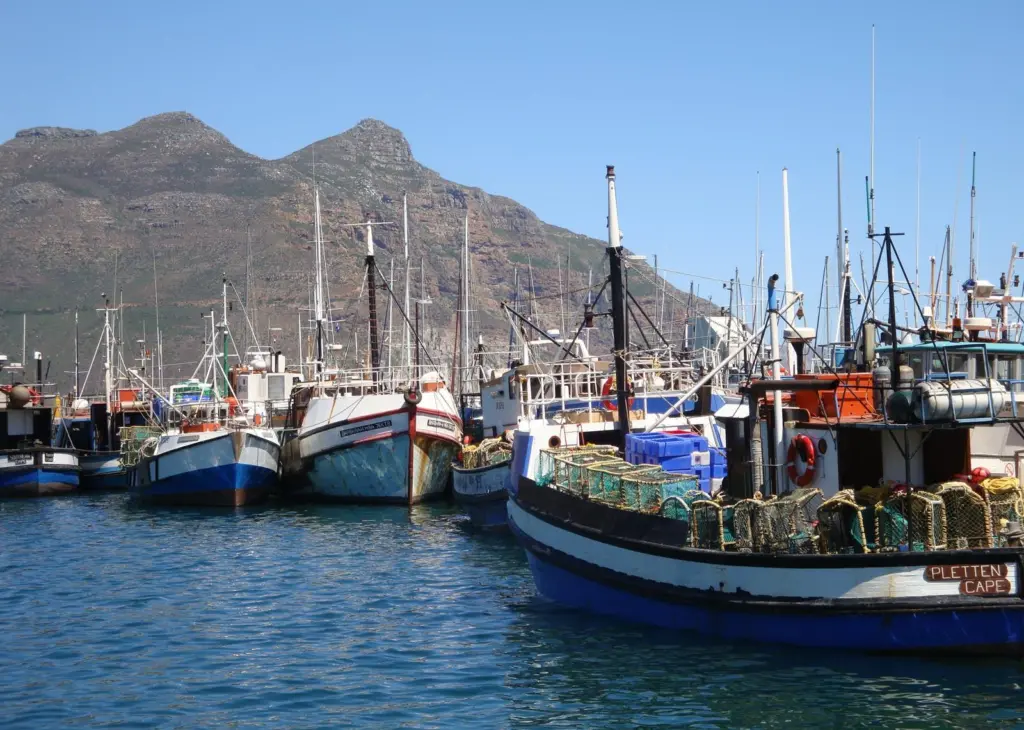
Recent months have been very challenging for EU fisheries, with marine fuel prices nearly doubling following Russia’s military aggression against Ukraine, acknowledged the Commission in a press release.
This has disrupted fishing activities, it said, adding that fisheries close to Ukraine have had to cease operations for security reasons.
“The high operating costs have led to some operators staying in port. Provisional figures suggest that if energy prices remain at the current level, the EU fishing fleet would overall lose €300 million in operating profit in 2022.”
While the EU has facilitated the use of crisis support under the European Maritime, Fisheries and Aquaculture Fund (EMFAF) and has adopted a temporary crisis framework for state aid to support the fishing, aquaculture and processing sectors, an additional support package has been proposed by the Commission through an amendment to the European Maritime and Fisheries Fund (EMFF). This is now with the European Parliament and the Council for their approval.
Meanwhile, the Commission has published its communication “Towards more sustainable fishing in the EU: state of play and orientations for 2023”, giving an annual review of EU’s fisheries management and outlining priorities ahead for next year.
It advises that the figures, as assessed by independent scientific agencies, show that conservation efforts are further bearing fruit and the EU fisheries policy has been delivering in reducing overfishing in European waters.
At the same time, further efforts are still needed to protect marine resources, both through maintaining high levels of ambition within the EU and by striving to achieve the same high standard in the work with non-EU countries, like Norway, the UK and coastal states.
The stocks in northeast Atlantic areas are, on average, within levels that deliver the highest sustainable yields into the future. For the Mediterranean, the situation has further improved but there is still a long way to go. In the Baltic Sea, due to eutrophication, low oxygen levels in the water are hindering the normal growth and reproduction of fish and protective measures have been put in place.
EU Commissioner for Environment, Oceans and Fisheries Virginijus Sinkevičius said that after many years of work, positive trends are being seen, with more fish in the sea, growing to maturity, less fuel used during catch and techniques used with less environmental impact.
“Fishermen and women, and particularly the younger generation, are now more aware and willing to follow scientific advice about both the quantity of the catch and the sensitive species that need protection. We need to keep up our efforts in all areas but especially in the Baltic and the Mediterranean, and must do a better job protecting sensitive species and habitats as in the long run this will bring us all more fish on the table and thriving fisheries communities. I am counting on the support of the industry and member states to achieve that,” he said.
According to the communication, the priorities for next year are:
• Better management of fisheries in the Mediterranean basin, building on achievements in the Western Mediterranean and in the Adriatic Sea
• Proper implementation of the landing obligation
• Better data from surveys to improve the science advice and economic analyses
• More actions to protect the marine ecosystems
Related Articles
 FISHERIES
 FISHERIES
 FISHERIES