



Tuna transparency measure
Seafood company Thai Union Group PLC and global conservation organisation The Nature Conservancy (TNC), have released the inaugural progress report on their partnership on a commitment to improve on-the-water transparency in global tuna supply chains.
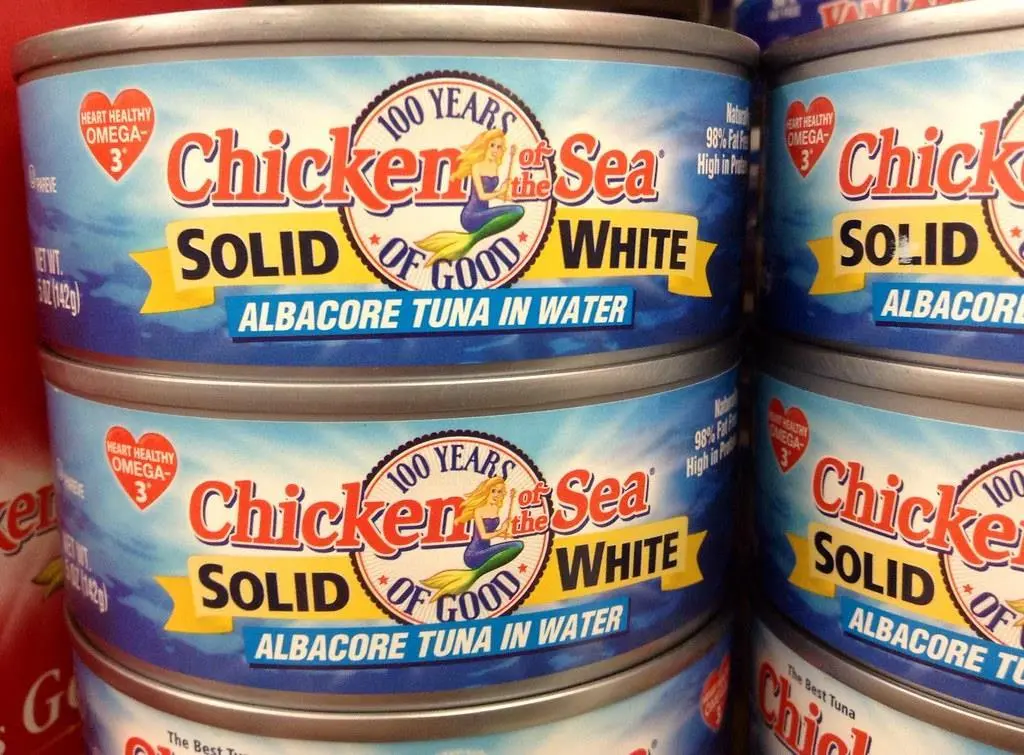
Since March 2021, Thai Union and TNC have been working together on a commitment which will see that the tuna Thai Union produces is sourced from vessels that are confident in the way they conduct their fishing activities by permitting monitoring at sea.
During the first year of the partnership, the two partners saw the introduction of a first electronic monitoring (EM) programme focused on Thai Union’s EM programme design, data and technical standards, and continual improvement for supplying vessels.
Thai Union also increased EM coverage on vessels it sources from, creating a baseline from which this will be monitored. Observer coverage, either EM or human, across the vessels that Thai Union sources tuna from was 71% by volume (of product sourced) in 2021.
This will continue to be monitored and will be reported again next year.
At the same time, the plan for installation of EM equipment on 240 longline tuna vessels across five seafood supply companies operating in the Pacific, Atlantic and Indian Oceans has been finalised and will be completed this year.
Additionally, both partners launched projects to expand the application of EM to support new fishery transparency initiatives, including using EM for transhipment monitoring, and how EM can support the human rights of safeguards on vessels.

Furthermore, Thai Union and TNC worked with stakeholders across the supply chain to improve transparency, including supporting the strengthening of the Marine Stewardship Council (MSC) Fisheries Standard and participating in groups such as the International Seafood Sustainability Foundation and the Global Tuna Alliance.
They also advocated for the importance of monitoring through engagement at Regional Fishery Management Organisations (RFMOs), such as the Inter-American Tropical Tuna Commission (IATTC) and the Indian Ocean Tuna Commission (IOTC).
Alongside this, Thai Union built multi-year technology strategies and partnerships with leading companies to advance the use of artificial intelligence and machine learning in EM workflows.
According to the two parties, the focus of 2023 will include continuing the work that has already started, such as increasing observer coverage and advocating for wider supporting changes, investigating using EM for social aspects of sustainability and advancing technology solutions that can be widely adopted.
“The world’s oceans are in trouble. Threats like the climate crisis, overfishing, and pollution are creating incredible risks for coastal communities and global food supplies. Increasing supply chain transparency in the world’s fisheries through electronic monitoring is a powerful way to improve fisheries management and accountability,” said Jennifer Morris, CEO of The Nature Conservancy.
Morris added that the first year of the partnership with Thai Union had seen “great progress” towards increasing transparency in global tuna supply chains.

Thai Union President and CEO Thiraphong Chansiri commented, “This partnership is an excellent example of what can be achieved when leading actors come together to find solutions that will contribute to making sure our seas are sustainable now and for future generations. We can reflect proudly on our achievements so far and I look forward to the positive impact Thai Union and TNC continue to create through our commitment to increased electronic monitoring and supply chain transparency.”
Related Articles
 FISHERIES
 FISHERIES
 FISHERIES