




Q1 pelagic earnings soar
A total 563,609 tonnes of fisheries products were caught by Iceland’s fishing fleet in the opening quarter of 2022, with the landings generating a first-sales value of ISK 55.8 billion. Compared with the first-quarter 2021, the volume and value increased by 136% and 28% respectively.
In terms of product categories, the Q1 2022 demersal landings of 113,220 tonnes were 18% lower than a year previously, while the value up 5% to ISK 34.4 billion. Cod accounted for 72,437 tonnes and ISK 23.7 billion, with the volume falling 15% value rising 5%.
Also in the period, 12,267 tonnes of haddock earned ISK 4.3 billion, 14,628 tonnes of saithe made ISK 3.1 billion, and 8,556 tonnes of redfish generated ISK 2.2 billion.
Iceland’s flatfish catch decreased 40% in volume to 3,278 tonnes, earning ISK 1.9 billion (-6%), while its shellfish landings were down 22% to 506 tonnes, with a value of ISK 116 million (-25%).
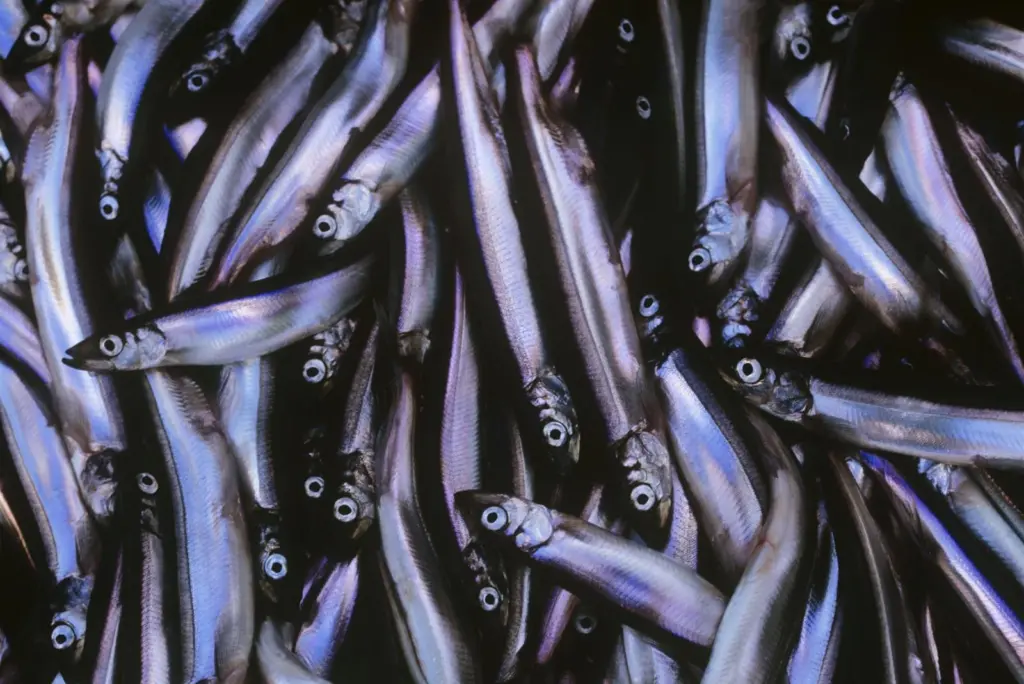
However, thanks to a bumper capelin catch, the pelagic landings totalled 446,297 tonnes, up 368% compared with Q1 2021. The sector’s value in the period was ISK 19.4 billion (+136%).
Its capelin catch of 446,196 tonnes was 531% more than a year previously.
The herring catch fell 94% to just 101 tonnes, valued at ISK 3 million. No mackerel or blue whiting landings were recorded in the period.
Related Articles
 FISHERIES
 FISHERIES
 FISHERIES