



Pelagic fishers welcome new funding to mitigate Brexit
The delivery of a new fund to compensate Irish pelagic fishermen for the impacts Brexit has had on their businesses has been welcomed by the industry.
On 27 October 2023, Ireland’s Minister for Agriculture, Food and the Marine Charlie McConalogue announced a €25.6 million support package for the Irish pelagic fisheries sector.
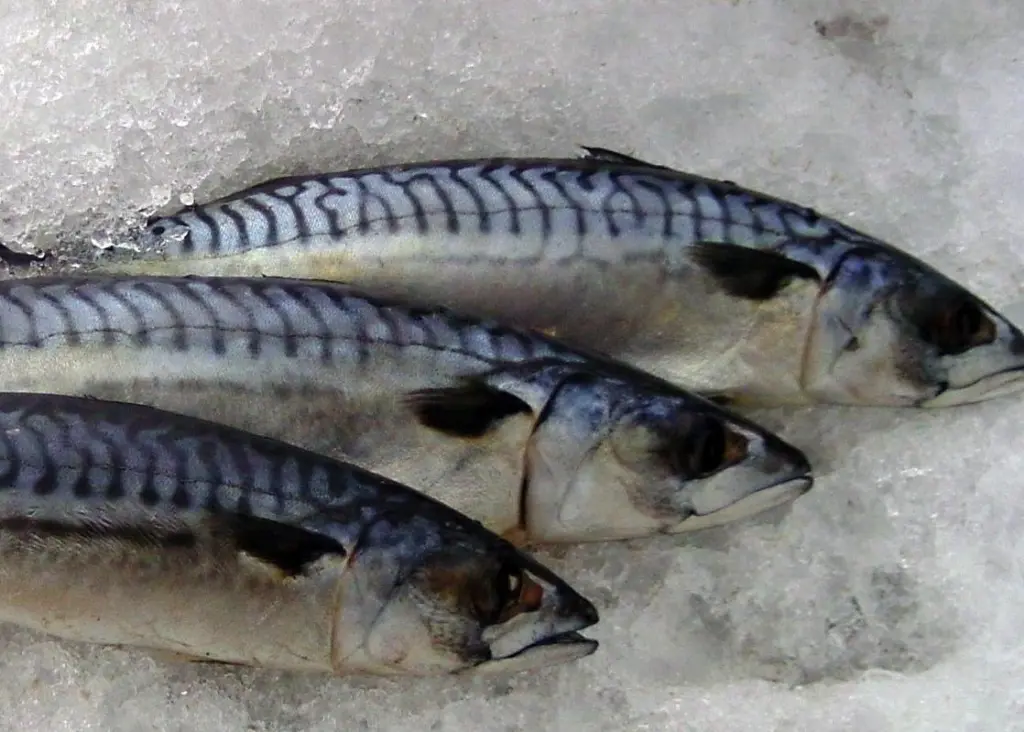
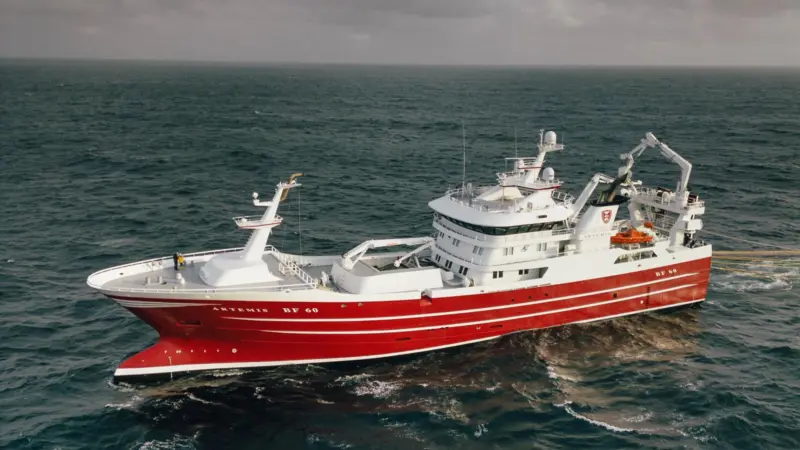
The Pelagic Fisheries Support Scheme, funded under the Brexit Adjustment Reserve Fund, will compensate owners of refrigerated sea water (RSW) pelagic vessels and polyvalent Tier 1 and Tier 2 vessels that have suffered losses of mackerel quota over the period 2021-2023 as a result of the quota transfers to the EU under Brexit.
The support is designed to stabilise cashflow and assist vessel owners to re-structure their operations in light of the loss of earnings associated with the reduction of available quota under the TCA. The short-term aid is designed to allow the 23 RSW vessels and the 27 polyvalent Tier 1 and Tier 2 vessels sufficient time to put in place longer-term restructuring measures.
“This €25.6 million support for the RSW pelagic fleet segment recognises the impact of quota transfers to the UK from the EU under the Trade and Cooperation Agreement (TCA), and in particular that this segment of the Irish fleet has suffered the largest TCA related quota reductions for the main target species of mackerel,” McConalogue said.
“The RSW pelagic fleet segment has suffered significant quota loss of some 20,130 tonnes worth approximately €27.3 million, and this much needed support will go some way to supporting the segment to adjust to the changed situation we find ourselves in so as to ensure a profitable and sustainable fishing fleet into the future. Now that I have secured State Aid approval from the EU Commission, I will be instructing BIM to administer this scheme without delay.”
Killybegs Fishermen’s Organisation (KFO) CEO Seán O’Donoghue welcomed the move, saying the support package would help alleviate some of the financial hit inflicted on RSW Tier 1 and Tier 2 vessels since Brexit.
“That said, we’re far from through with Brexit. This is but another step on a long, arduous road and we in the KFO, will be continuing to fight for equity in levelling out the impact of the financial ramifications of the fish lost to Britain through ‘burden sharing’ with our European colleagues,” O’Donoghue said.
He continued, “In the words of the department, this allows vessels ‘sufficient time to put in place longer-term restructuring measures’. It’s going to be a long battle but one to which we are fully committed. We won’t be found wanting when it comes to our members’ interests and livelihoods. This a fundamental question of fairness.”
According to the KFO, Ireland’s mackerel sector will shed more than 1,200 jobs by 2030 because of Brexit. The organisation also estimates that from 2021 to the end of 2023, pelagic fishermen will have had more than 37,000 tonnes of their mackerel quota stripped away as a direct result of Brexit, resulting in a commercial loss of more than €52million.
The Pelagic Fisheries Support Scheme was one of the recommendations of the Seafood Taskforce, appointed by the minister. It is restricted to eligible vessels in the RSW pelagic segment as well as Polyvalent Tier 1 and Tier 2 vessels fishing for mackerel in 2021 and 2022.
Related Articles
 FISHERIES
 FISHERIES
 FISHERIES