




Pacific tuna fishing meeting outcomes lauded
The Western and Central Pacific Fisheries Commission (WCPFC) concluded its latest annual meeting in Fiji with several positive results for Pacific Ocean tuna fisheries, including for electronic monitoring (EM) and management procedures, according to the International Seafood Sustainability Foundation (ISSF).
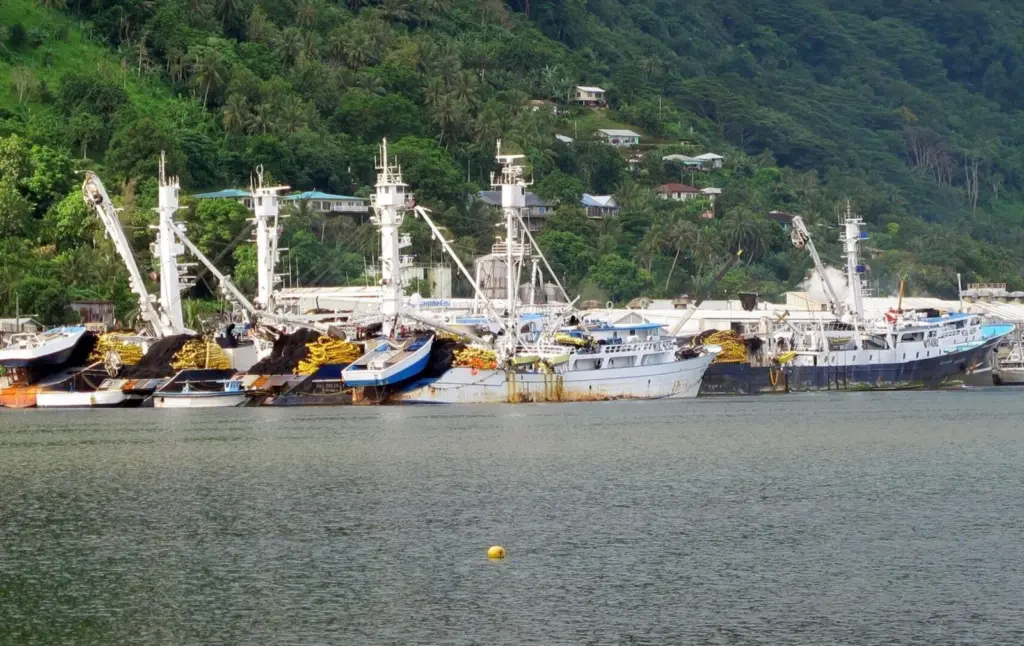
ISSF welcomed WCPFC’s adoption of interim minimum standards for electronic monitoring in Western and Central Pacific (WCPO) tuna fisheries. The global coalition stated that comprehensive observer coverage and the implementation of an EM program are critical to effective fisheries management, compliance monitoring, and independent verification of catch, effort, and marine species interactions.
It said that by taking action to adopt EM standards, WCPFC is finally poised to remedy the longstanding subpar observer coverage on longline vessels. With this move, WCPFC also joins its peer tuna RFMOs in other ocean regions in helping to ensure more complete data and to account for the many vessels that move among RFMO areas.
However, ISSF highlighted that the WCPFC measure on transshipment is insufficient and not aligned with best-practice requirements.
“Unfortunately, the Commission failed to reach consensus on this matter and missed an opportunity to improve at-sea transshipment regulations, agreeing only to more work in 2025 instead,” it said.
WCPFC’s advancement of tuna conservation and management measures through continued development of management procedures were also welcomed. Specifically, the Commission agreed to candidate target reference points (TRPs) for bigeye tuna. It also adopted a monitoring strategy for skipjack tuna and updated its harvest strategies work plan.
ISSF pointed out that “one miss in this area” was the lack of agreement on an interim management procedure for South Pacific albacore tuna and urged the Commission to cooperate with IATTC in the Eastern Pacific Ocean to ensure that South Pacific albacore is managed consistently throughout its range.
The Commission did agree on a process to develop and implement a management procedurefor the stock in 2025, to include a dedicated management workshop.
WCPFC was also lauded for becoming the first tuna RFMO to address crew labour standards, with a measure that establishes rules to improve crew welfare on vessels operating in the WCPO to be implemented within the next three years
ISSF stated: “WCPFC members took good advantage of the opportunities at their annual meeting to continue improving the management of their valuable fisheries. Overall, the WCPFC meeting provided solid results for sustainable tuna management. We look forward to our continued engagement throughout the region toward the sustainable use of the world’s largest tuna fisheries and protections for the broader marine ecosystem.”
Related Articles
 SUSTAINABILITY
 FISHERIES
 FISHERIES