


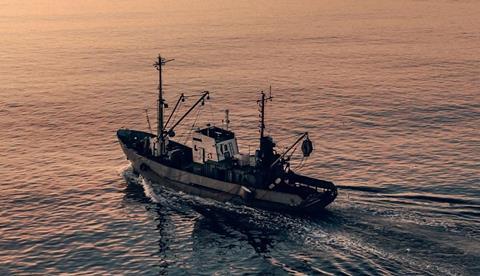
Oceana has warned that at least 105 large-scale fishing vessels owned by EU citizens or companies are operating under flags of convenience, tax havens or countries facing EU warnings for failing to tackle illegal fishing.
The findings, published in a new analysis, expose what the organisation describes as a major enforcement loophole that allows European interests to sidestep EU rules, evade scrutiny and potentially profit from illegal fishing.
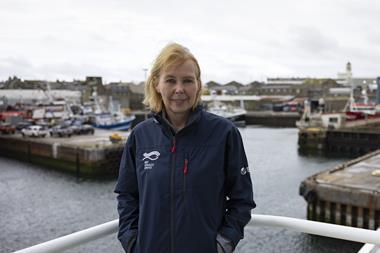
“The EU must ensure that its own nationals are not involved in potential illegal fishing, under any country’s flag,” said Vanya Vulperhorst, illegal fishing and transparency campaign director at Oceana in Europe.
“Knowing who owns and profits from fishing vessels is key to enforcing the EU’s zero-tolerance policy towards illegal fishing and to protecting coastal communities worldwide, EU consumers, as well as the European market.”
According to Oceana, EU citizens frequently rely on opaque ownership structures, including shell companies registered in jurisdictions with weak oversight, to conceal their role as beneficial owners of fishing operations.
The analysis found that the vessels are flagged to 20 high-risk jurisdictions and owned by Europeans in several member states, with Spain, Portugal and Lithuania accounting for the highest numbers of EU owners operating under high-risk flags.
Notably, 33 vessels flagged in countries including Panama, Belize, Senegal and Ecuador are authorised to export their catch directly to the EU. Oceana says this raises the risk of seafood linked to illegal fishing, poor labour protections or lax tax regimes entering EU supply chains.
Because member states do not require citizens or companies to register beneficial ownership interests in foreign-flagged vessels, these links often remain invisible to authorities.
Oceana is urging EU governments to close this gap by mandating disclosure of ownership interests and strengthening monitoring and investigations, ahead of the Our Ocean conference in June and the one-year anniversary of the EU’s Ocean Pact.