



Most western Mediterranean trawlers are barely profitable due to chronic overfishing, a new report warns, urging urgent reforms to safeguard fisheries sustainability.
Published by Oceana, new analysis finds that excessive bottom trawling capacity in France, Italy and Spain is undermining both fish population recovery and fleet profitability, despite years of public subsidies.
The report concludes that too many vessels continue targeting depleted stocks, creating a decade-long structural imbalance between fleet size and fish abundance.
“The fleet remains oversized and the populations remain overfished, perpetuating a cycle of economic instability and ecological degradation,” said Giulia Guadagnoli, senior policy advisor at Oceana in Europe.
Bolstering resilience
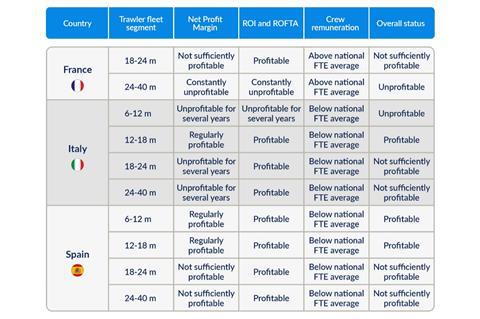
The report highlights that large French trawlers and small Italian trawlers have been persistently unprofitable for years, while several other fleet segments remain economically fragile.
Only three types of bottom trawlers, two Spanish segments under 18 metres and Italian vessels between 12 to 18 metres, achieved net margins above the 10% threshold considered necessary for long-term viability.
More than €19 million in subsidies between 2019 and 2024, including COVID relief and compensation for reduced fishing days, temporarily softened financial losses but failed to solve the underlying economic crisis.
Oceana urges France, Italy and Spain to reduce overcapacity, rebuild fish populations and align public funding with sustainability goals.
Ms Guadagnoli said that ministers should redirect subsidies away from unprofitable trawlers and towards a transition to low-impact, resilient practices.
Recommended measures include tougher enforcement of the West Med MAP, limiting fishing days, promoting selective gear and providing financial support for a fair socio-ecological transition.
The report concludes that restoring healthy fish populations is essential to ensuring long-term prosperity for Mediterranean fishers and securing a sustainable future for the region’s fisheries.