




The annual meeting of the General Fisheries Commission for the Mediterranean (GFCM) in Málaga has delivered progress on vessel transparency but leaves major enforcement gaps, according to the Med Sea Alliance and its members Oceana and The Nature Conservancy.
Countries agreed to require International Maritime Organisation (IMO) numbers for vessels over 20 metres, a permanent and cost-free identifier intended to improve traceability and curb illegal, unreported and unregulated fishing.
Campaigners said the move helps but still excludes much of the fleet, noting that international best practice recommends applying IMO numbers to vessels over 12 metres.
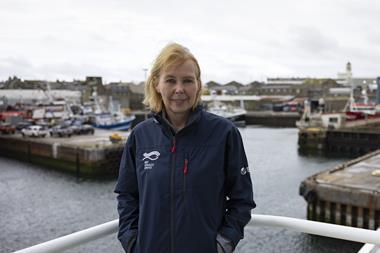
“The GFCM’s decision to require IMO numbers for vessels from 20 metres is a step in the right direction, but it falls short of delivering true transparency,” said Helena Álvarez, senior marine scientist at Oceana.
“By rejecting the EU’s original proposal to include vessels from 15 metres and above, Mediterranean countries missed a crucial opportunity to create a level playing field and close loopholes that enable opaque and potentially illegal fishing to continue.”
A larger concern was the decision to delay full implementation of the GFCM’s compliance mechanism until 2028. The system, adopted in 2023 to ensure countries enforce GFCM rules, will only include key elements such as mandatory data reporting and enforcement provisions because members insisted on postponing the deadline.
Some progress was reported on monitoring tools like the vessel monitoring system and the regional monitoring, control and surveillance portal. But discussions on remote electronic monitoring, which uses cameras, GPS and sensors to verify fishing activity, stalled again.
Delegates added one vessel, the Sonia, to the GFCM’s IUU list, a move welcomed by campaigners.