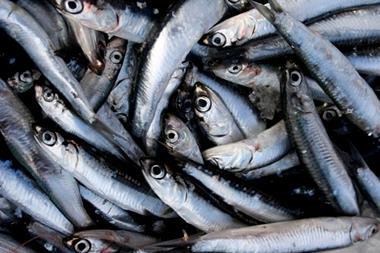





Atlantic mackerel stocks are showing encouraging signs of recovery, prompting regulators to increase commercial and recreational fishing opportunities after years of strict conservation measures aimed at rebuilding the population.
Since 2017, NOAA Fisheries and the Mid-Atlantic Fishery Management Council have worked to restore Atlantic mackerel under the Mackerel, Squid and Butterfish Fishery Management Plan.
A benchmark stock assessment that year found the population had fallen to critically low levels and was subject to overfishing, leading to the introduction of a rebuilding plan in 2019. The programme was later extended from five to 10 years after scientists determined recovery would take longer than originally expected.
A new stock assessment completed in September 2025 using data through 2024 found the population was no longer considered depleted and that overfishing was no longer occurring.
The assessment also highlighted near record-high abundance in the 2024 spring bottom trawl survey, the highest egg production in US waters since the 1980s and the strongest estimated recruitment since 1983.
Despite the positive findings, scientists cautioned that uncertainty remains because previous assessments have overestimated recruitment and the population still contains relatively few older, larger fish.
The improved outlook prompted the council to recommend substantially higher catch limits for 2026 and 2027 through Framework Adjustment 17, which NOAA Fisheries implemented in April 2026.
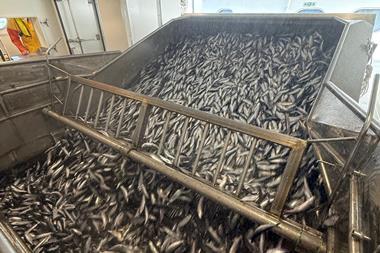
The acceptable biological catch for 2026 increased by 373% compared with 2025, while the annual catch limit rose by 36%. The commercial quota increased by almost 1,200%, accompanied by higher commercial possession limits to provide relief for fishing businesses affected by restrictions introduced in 2023.
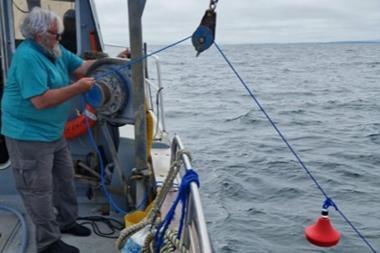
NOAA Fisheries plans another stock assessment in 2027 while expanding cooperative research with the fishing industry through to 2028 to improve understanding of Atlantic mackerel population factors.