




Iceland to cut quotas
Iceland’s Marine & Freshwater Research Institute (MFRI) has issued its fishing opportunities advice for the forthcoming 2022/23 season and 28 fish stocks in Icelandic waters, with its recommendations including reduced quotas for key groundfish species.
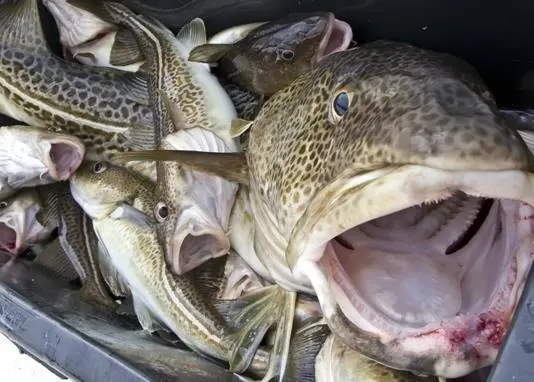
A cod total allowable catch (TAC) of 208,846 tonnes has been advised by MFRI for the new fishing year, down 6% from the current season.
The institute explained that its recommendation is based on the management plan adopted by Icelandic authorities, and that the reason for the decrease is due to a lower estimate of the reference biomass compared to previous years and the effect of the catch stabiliser in the harvest control rule.
The reference biomass of cod is expected to increase slightly in the next two to three years when the 2019 and 2020 cohorts enter the reference biomass as they are estimated to be above average in terms of size, it added.
According to the Icelandic management plan, the TAC for haddock in 2022/2023 will be 62,219 tonnes which is 23% more than the current fishing year. MRRI said the reference biomass is expected to increase in the next two years as the 2019 and 2020 cohorts are above average.
The advice for saithe, when the Icelandic management plan is applied, is 71,300 tonnes, an 8% decrease from current fishing year’s TAC.
According to management plan, the TAC for golden redfish in the East Greenland/Iceland/Faroe Islands area in the 2022/2023 fishing year is 25,545 tonnes, which is 20% less than for the current fishing year’s TAC.
Since 2009, the species’ recruitment has been very low, and the spawning stock biomass has decreased substantially in recent years and is projected to decline further. As such, the advice for the golden redfish is likely to decrease further, said the institute.
Its advice for Greenland halibut is the same as the previous year at 26,710 tonnes.
In the meantime, the Icelandic summer spawning herring stock size has increased following a period of constant decline since 2008 due to poor recruitment and the persistent infection by a protozoan parasite. MFRI estimates the 2017 and 2018 cohorts (the main biomass reference) to be large.
Its advice for the 2022/2023 fishing year, when the Icelandic management plan is applied, is 66,195 tonnes or 8% less than the previous fishing year’s TAC.
Related Articles
 FISHERIES
 FISHERIES
 FISHERIES