




This year’s meeting of the International Commission for the Conservation of Atlantic Tunas (ICCAT) closed with a mix of incremental gains and familiar frustrations for conservationists, particularly on shark protections.
Delegates adopted new retention bans for basking and white sharks, set lower catch limits for South Atlantic shortfin makos and agreed on procedural steps meant to tighten enforcement. But for the seventeenth consecutive year, proposals to strengthen ICCAT’s finning ban failed to clear the final hurdle.
“New retention bans for basking and white sharks will close gaps in the protection of these globally threatened species by bolstering national bans and helping countries to fulfil obligations under environmental treaties,” said Ali Hood of the Shark Trust, adding that she hopes the new commitment to prompt, careful release will drive ‘safe handling protocols for maximising survival’.
Scientific updates presented during the meeting showed shortfin mako mortality remains too high, prompting agreement on a 50% cut to the South Atlantic total allowable catch, now capped at 1,000 tonnes.
Sonja Fordham of Shark Advocates International said the species’ status demands vigilance. “Shortfin makos are among the Atlantic’s most valuable yet vulnerable shark species and, as such, safeguards for this species should be particularly precautionary,” she said, urging countries to improve reporting and reduce incidental bycatch.
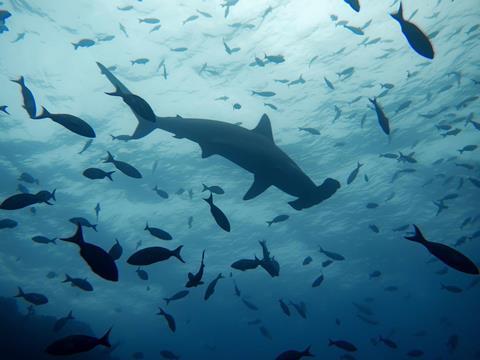
ICCAT’s Compliance Committee also pressed members over inconsistent adherence to existing shark rules, noting progress in some countries while calling out persistent gaps. Mexico won praise for new regulations. Shannon Arnold of the Ecology Action Centre said, “We’re encouraged to see years of work to strengthen countries’ compliance with ICCAT’s shark measures finally bearing fruit,” but warned that failures still threaten protections for hammerhead and silky sharks.
Meanwhile, the EU and US again attempted to secure a ‘fins-naturally-attached’ requirement, viewed as global best practice. Support was widespread, but Japan and China again blocked consensus, leaving the long-running stalemate unresolved.