


The European Union’s failure to properly enforce its own fishing regulations is allowing seafood linked to illegal fishing, environmental destruction and human rights abuses to enter the market, according to a new report from the EU IUU Fishing Coalition.
The coalition – comprising the Environmental Justice Foundation (EJF), Oceana, The Nature Conservancy, The Pew Charitable Trusts and WWF EU – found that weak import controls and inconsistent implementation of the EU’s IUU Fishing Regulation between 2020 and 2023 have created dangerous loopholes.
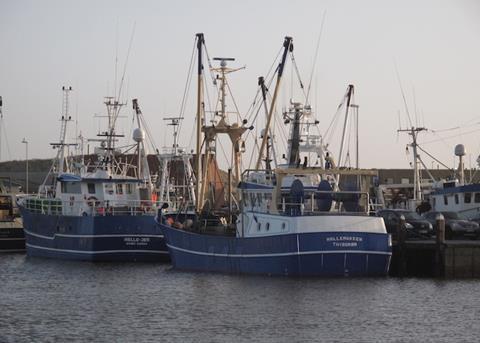
“This picture is compounded by the widespread failure of some member states to meet their legal obligation to inspect at least 5% of direct landings by non-EU vessels,” said Thomas Walsh, Coalition Coordinator for the EU IUU Fishing Coalition.
“Most concerning is the Netherlands, which continues to receive large volumes of seafood from high-risk flag states, including Russia, yet still does not meet this minimum inspection requirement.”
The report alleges that some major importing countries including Italy and Portugal carried out minimal checks on seafood imports, verifying just a handful of catch certificates each year.
While Spain inspects over 70% of direct landings, the report notes that weaker enforcement elsewhere enables ‘control shopping’, whereby illegal seafood is routed through ports with the least scrutiny.
“These weaknesses create dangerous loopholes that illegal operators exploit,” said Steve Trent, chief executive of the EJF.
“Every failure to check high-risk imports is an open invitation to illegal operators and every weak spot undermines those countries that take their responsibilities seriously.”
The coalition stresses that digitalising import controls through the CATCH system is a positive step but warns that technology alone cannot fix systemic failures.
Nikolas Evangelides of The Pew Charitable Trusts urged member states to ‘enhance inspections, improve transparency and stop illegal catch from reaching European plates’.