



EU fisheries energy transition stalls
Representatives from across Europe’s blue economy value chain have warned that the energy transition of fisheries and aquaculture risks stalling unless urgent regulatory and financial barriers are addressed.
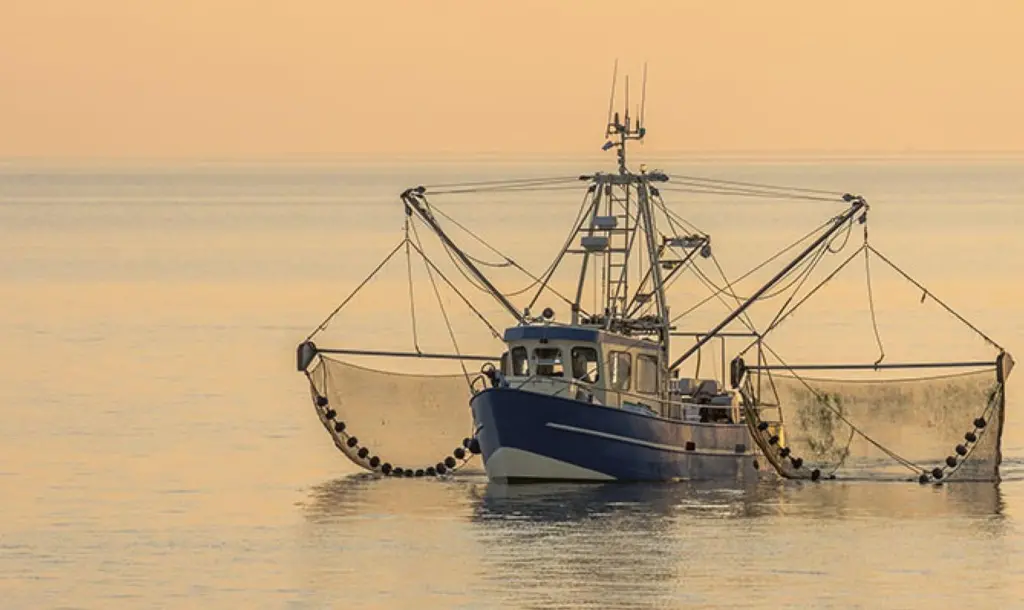
Meeting with European Commissioner for Fisheries and Oceans, Costas Kadis, industry and worker organisations underlined that ambition alone will not deliver decarbonisation without practical implementation measures.
The meeting brought together fishers, aquaculture producers, cooperatives, workers, shipyards and maritime equipment manufacturers. While reaffirming their commitment to long-term sustainability and decarbonisation, participants highlighted that existing EU rules and funding frameworks are constraining progress on the ground.
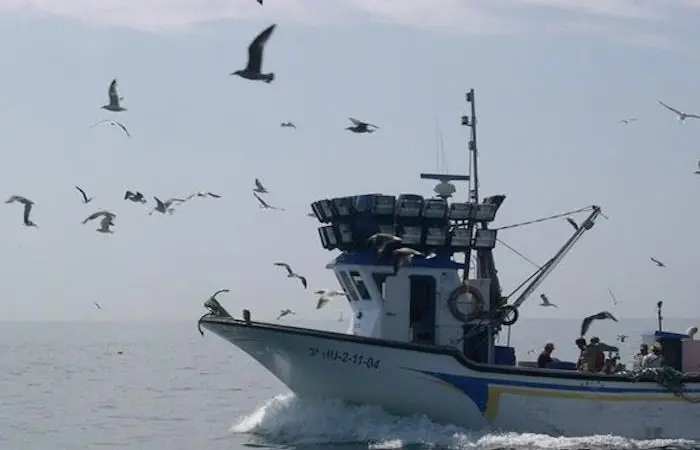
A central concern was the incompatibility of current EU vessel regulations with modern propulsion technologies. Limits on onboard space were identified as a major obstacle to deploying hybrid, electric and alternative fuel systems, which typically require additional room. These constraints also restrict improvements in crew safety, working conditions and vessel design, reducing the sector’s attractiveness to younger workers at a time of growing labour shortages.
Funding and investment conditions were also identified as critical bottlenecks. Stakeholders argued that current EU funding instruments are insufficient in scale and overly restrictive, leaving many energy transition investments financially unviable.
They called for revised funding rules, a dedicated fleet renewal plan, support for withdrawing obsolete vessels and financing mechanisms that combine EU and national funds with public guarantees to reduce investment risk.
Beyond vessels and finance, the transition was framed as a broader value chain challenge. Participants emphasised the need for investment in skills, training and safety, alongside closer cooperation between fisheries, aquaculture, shipyards, investors and research partners. Integrating fisheries and aquaculture more fully into wider EU maritime and transport energy strategies was also highlighted as essential.
The meeting concluded with a unified call for swift, targeted action to remove regulatory bottlenecks and simplify access to funding, enabling the energy transition of fisheries and aquaculture to move from policy ambition to real-world delivery.
Related Articles
 FISHERIES
 FISHERIES
 FISHERIES