





ETF: EU plan fails workers
The European Commission’s new Action Plan for EU fisheries and aquaculture has been praised the European Transport Workers’ Federation (ETF) for acknowledging the social dimension of fisheries and the role they play in coastal communities, but the union body has also criticised the plan’s strategy to gradually phase out bottom fishing, saying it is a sector that employs many workers.
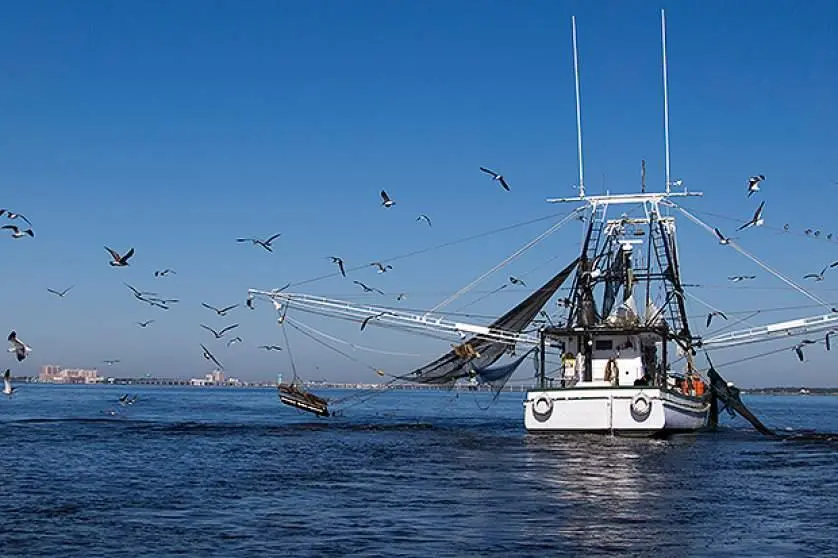
On 21 February 2023, the Commission published its package of documents assessing the state of play of the EU Common Fisheries Policy (CFP) and setting out its future objectives, focusing on the areas where more work needs to be done to achieve sustainable fisheries in the EU from an environmental, economic and social point of view.
ETF said it welcomes the space dedicated to the social dimension of fisheries in the communication “The CFP policy today and tomorrow” since it is a dimension that has been largely neglected.
It also highlighted that the sector provides jobs to many regions, and the CFP should have the ambition to protect the people working in an industry that plays such a crucial part in ensuring food security in the EU.
“We appreciate the Commission identified the generational renewal of fishers as a challenge, and we welcome the Commission speaking openly about a directive in line with the training standards enshrined in IMO STCW-F,” Juan Manuel Trujillo, Chair of the ETF Fisheries Section said.
“Nevertheless, despite the documents stating that social consequences of conservation measures must be considered, we can also read an explicit will to phase out mobile bottom fishing, which employs many fishers in Europe. This contradiction between objectives and concrete actions needs to be highlighted and resolved: this is furthermore confirmed by the absence of any possible review of the definition of fishing capacity to allow and incentivise better working and living conditions onboard, which can make the fishing jobs more attractive to young generations.”
ETF and its affiliates will continue to follow up on the actions planned for the coming months.
It also confirmed it is ready to contribute to the announced project, Fishers for the Future, which aims to target the reasons preventing our sector from being attractive.
“The EU imports 70% of the products consumed by its citizens. We are for environmentally sustainable fisheries, but we also do not want to end up in a situation where EU fisheries are dismissed, jobs are lost, and we are forced to import even more fish from third countries where environmental and social standards are certainly not better than the EU ones,” Trujillo said.
The Action Plan is part of the EU Biodiversity Strategy, with the Commission calling on member states to gradually phase out bottom mobile gears in all marine protected areas (MPAs) by 2030 at the latest and to not allow it in any newly-established MPAs.
Related Articles
 FISHERIES
 FISHERIES
 FISHERIES