



The destructive technique of bottom trawling could easily be replaced in the European Union by less aggressive fishing practices, says a new report.
The study, published by Seas at Risk and Oceana, shows that switching to readily available alternatives will help improve fisheries resources, and protect the seabed and marine habitats.
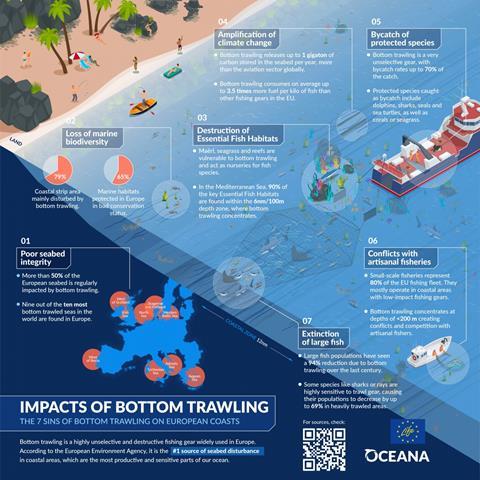
“The destructive nature of bottom trawling is no longer seriously disputed,” said Nicolas Fournier, campaign director for marine protection at Oceana in Europe.
“The question is rather: when are we going to act on it? The European Commission must embrace this opportunity to shape a new vision of future low-impact, low carbon EU fisheries and prepare for this necessary transition now.”
Bottom trawling is the main fishing method used in Europe, accounting for 32% of total EU landings whilst also responsible for 93% of all reported discards over the period 2015-2019.
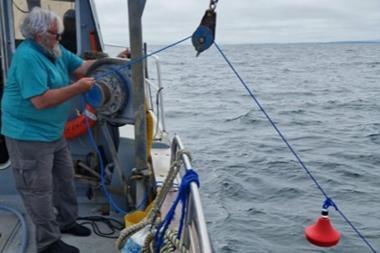
However, more than 25 other types of gear exist with generally fewer damaging effects, such as purse seines, set gillnets or pots and traps. These already represent 66% of total EU landings and can be used to greater effect.
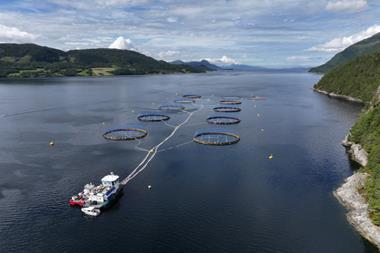
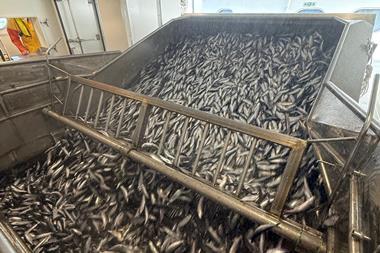
The report also highlights damage done by trawling for species such as sandeels, sprat and blue whiting which are used to produce fish oil and aquaculture feed, suggesting these can instead be replaced with alternatives such as insects or plants. Similarly, species landed in large quantities by bottom trawlers such as Atlantic cod are overfished and should be better protected.
The authors are calling on the European Commission with its imminent ‘Action Plan to conserve fisheries resources and protect marine ecosystems’ to impose an immediate ban on bottom trawling in sensitive ocean areas, such as all EU marine protected areas and coastal zones.