


A new report by the Environmental Justice Foundation (EJF) has revealed the continued scale of illegal bycatch taken by Ghana’s industrial trawl fleet, warning that the practice is driving fish stock collapse, undermining food security and devastating coastal livelihoods.
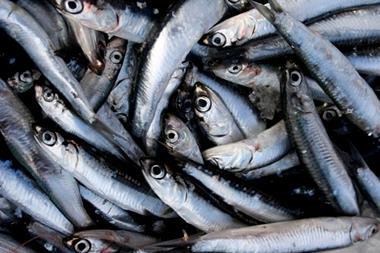
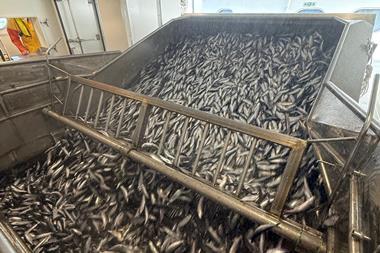
In Breaking the Vicious Circle, EJF documents the systematic use of illegally modified nets, routine landing of undersized fish and the persistence of illegal at-sea transshipments, known locally as ‘saiko’. EJF estimates that between 53% and 60% of trawlers’ landings consist of bycatch, much of it sold illegally as ‘logo fish’.

Sampling of landings showed that 96% of chub mackerel and 97% of round sardinella – key small pelagic species vital to artisanal fisheries and banned from trawl catches – were below the legal minimum size. According to EJF, these practices are accelerating the collapse of already fragile fish populations.
The consequences are being felt acutely by artisanal fishing communities. Of the fishers surveyed by EJF, 94% reported declining catches, while 87% said their incomes had fallen in recent years. Fish processors and traders are facing higher prices, while economic benefits are increasingly captured by industrial operators, many with foreign ownership links.
Despite the bleak findings, EJF says Ghana is at a turning point. Recent reforms include the expansion of the Inshore Exclusion Zone to 12 nautical miles, stronger sanctions against offending vessels, new gear directives and a sharp reduction in illegal saiko transshipments. Ghana has also committed to revealing the true beneficial owners of fishing vessels and endorsed the Global Charter for Fisheries Transparency.
“Ghana has shown real global leadership in recent months,” said Steve Trent, chief executive and founder of EJF.
“Now is the moment to deliver full enforcement. Action now will protect food security, safeguard livelihoods, and set an example for the world in building sustainable, legal and ethical fisheries.”
The report calls for zero tolerance enforcement of fisheries laws, electronic monitoring across the fleet and penalties strong enough to deter illegal fishing, ensuring benefits return to coastal communities.