


Ghana passes landmark fisheries law
Ghana’s president has given full assent to the country’s Fisheries and Aquaculture Bill, a move hailed as a historic moment by the Environmental Justice Foundation (EJF).
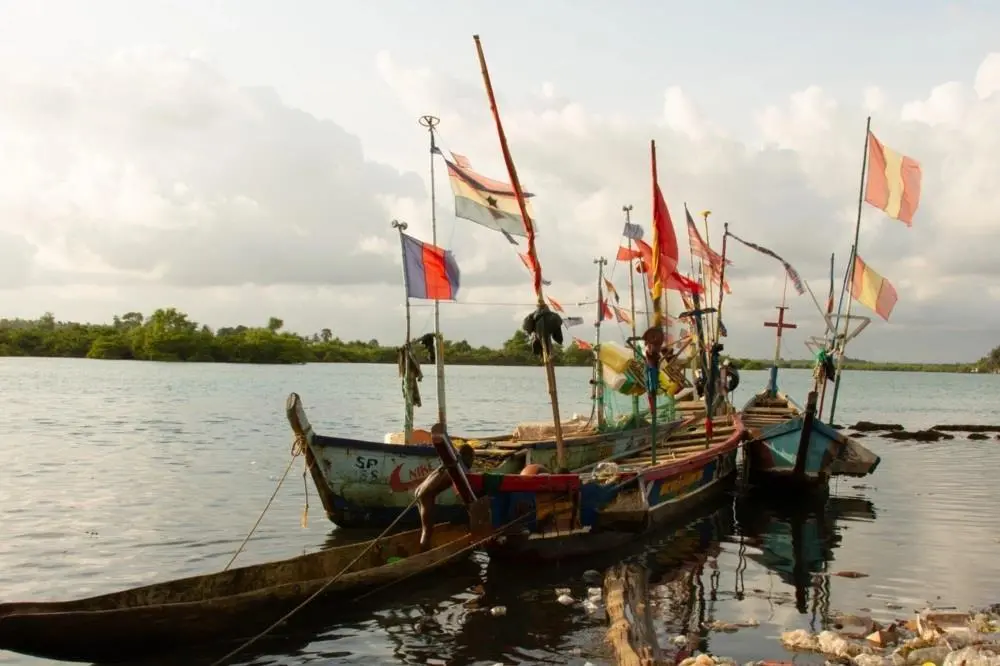
EJF is calling the decision a bold step that will protect the livelihoods of small-scale fishers, improve food security and support the recovery of marine ecosystems.
By signing the bill into law exactly as passed by parliament, ‘the president has shown a clear commitment to safeguarding the livelihoods of over 200,000 small-scale fishers and the millions of Ghanaians who depend on fish as a vital source of food and income,” said EJF.
One of the most significant reforms in the bill is the expansion of the inshore exclusive zone from 6 to 12 nautical miles, an area reserved for artisanal fishers. This move aims to shield them from destructive practices by industrial trawlers, which have been linked to deadly collisions, gear destruction and overfishing.
EJF praised Emelia Arthur, Minister for Fisheries and Aquaculture, for her pivotal role “Her strong leadership and unwavering commitment to equitable and sustainable fisheries have been instrumental in achieving a law that puts the welfare of Ghana’s coastal communities at its heart,” said the organisation.
The new law also strengthens Ghana’s hand in addressing illegal, unreported and unregulated fishing and may aid in lifting the EU’s ‘yellow card’ warning. It grants regulators new enforcement powers and enhances transparency.
“This new law marks a turning point for Ghana’s fisheries and coastal communities,” said Steve Trent, chief executive and founder of EJF. “Ghana has set a course for a sustainable and equitable future.”
EJF concludes that the next critical step is robust implementation, calling for strong enforcement, transparent governance and real accountability to ensure lasting impact.
Related Articles
 SUSTAINABILITY
 FISHERIES
 FISHERIES