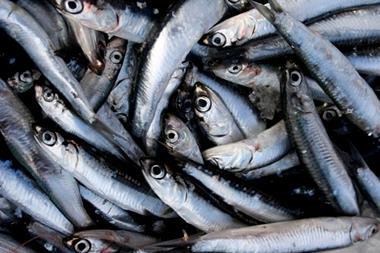





A new analysis of more than 500 sustainably certified fisheries has revealed that those targeting migratory species such as tunas, bonitos and billfishes face the highest risks from climate change.
The study, titled ‘Climate change risks to future sustainable fishing using global seafood ecolabel data’, was led by the Marine Stewardship Council (MSC) with support from the FAO-led Common Oceans Project and the Ocean Stewardship Fund, and published in Cell Reports Sustainability.
Researchers analysed fisheries targeting 19 categories of seafood, from krill and lobsters to whitefish and tuna, to assess how changing ocean conditions are influencing sustainability.
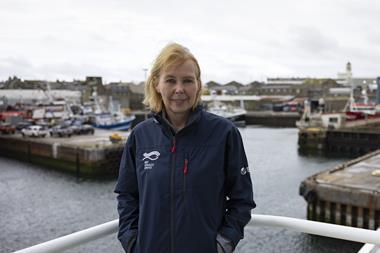
“The effects of climate change are causing all types of species to alter their behaviour,” said Lauren Koerner, MSC data science manager and lead author.
“Fish are moving to new and different locations, making existing fishing quota agreements obsolete because the fish stocks have moved. Fisheries are adapting their approaches, but it is becoming increasingly difficult without management systems that can respond quickly to climate challenges.”
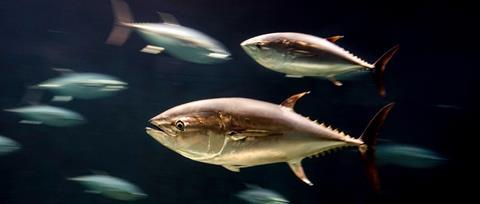
The analysis found tuna fisheries among the most exposed to climate risks. As oceans warm, species are shifting routes towards cooler waters, with Atlantic bluefin tuna reappearing around the UK, while Pacific tuna move eastward. These changes complicate international quota agreements and raise the risk of overfishing and disputes between nations.
“With climate change there will be winners and losers in tuna fisheries,” warned Joe Zelasney, Common Oceans Tuna Project manager, “but for some developing island states, the impact could be devastating. Governments must cooperate to protect livelihoods and food security.”
The report calls for adaptive quota systems and stronger international cooperation, alongside global efforts to reduce greenhouse gas emissions, to help safeguard sustainable seafood for future generations.