



Bristol Bay salmon record
Alaska’s Bristol Bay’s 2022 inshore sockeye salmon run totalled 79 million fish – the largest run on record and some 81% above the 43.6 million average for the latest 20-year period (2022-2021). Additionally, it was just the fourth time on record that the Bristol Bay inshore sockeye salmon run exceeded 60 million fish.
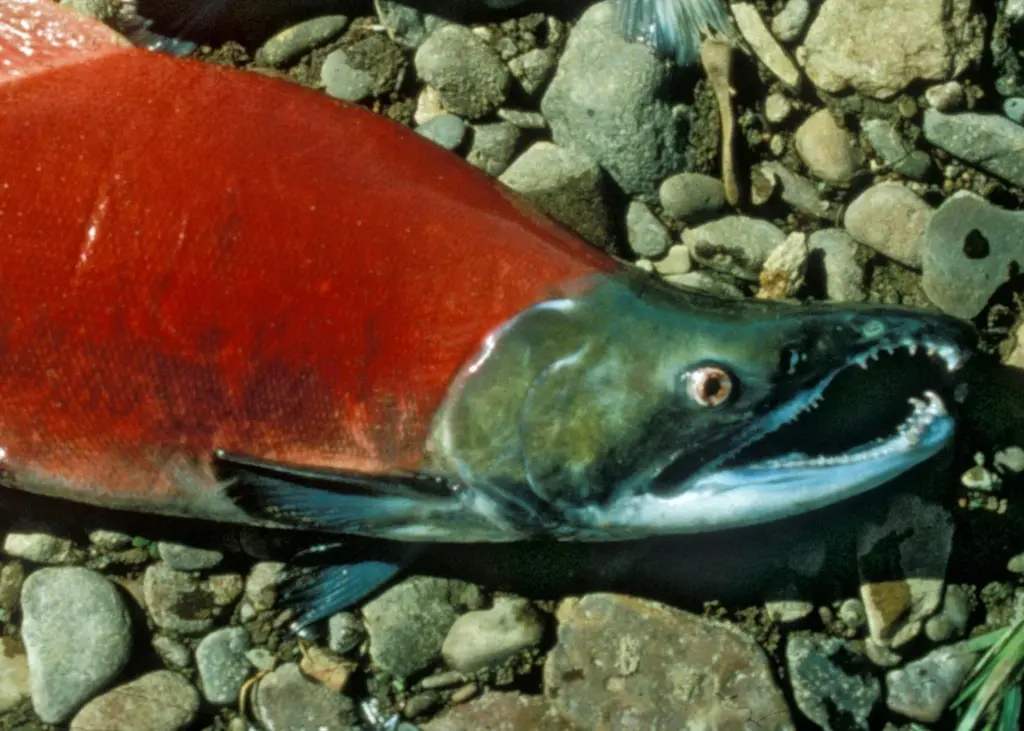
Bristol Bay’s 2022 sockeye salmon run was 8% above the preseason inshore forecast of 73.4 million fish, with runs to every district, except Togiak, ending up larger than the preseason forecast.
The commercial harvest of 60.1 million sockeye salmon was essentially the same as the 59.9 million preseason forecast and was the largest harvest on record, surpassing the previous record set in 1995 of 44.3 million sockeye salmon by 36%.
All sockeye salmon escapement goals were met or exceeded, with a total bay-wide escapement of 18.9 million fish.
Preliminary harvest estimates for other species are 8,374 Chinook, 301,816 chum, 9,040 coho and 95,724 pink salmon, with the 60.5 million harvest of all salmon species becoming the largest on record.
A preliminary ex-vessel value of US$351.7 million for all salmon species ranks first in the last 20 years and was 110% above the 20-year average of $167.5 million.
The ex-vessel value of salmon caught in Bristol Bay in 2022 was estimated using the fish ticket weight, and price paid for each species.
Prices are based on the major buyers’ base price and do not include future price adjustments for icing, bleeding, floating, or production bonuses.
Bristol Bay fisheries are managed for allocation (secondary to escapement) between drift and set gillnet gear groups in four of five districts. Togiak District is excluded from the allocation plan.
Related Articles
 FISHERIES
 FISHERIES
 FISHERIES