



Shrimp feed trial results
Protein company Unibio has announced that an initial trial of its single-cell protein Uniprotein on whiteleg shrimp (Pennaus vannamei) has been conducted and delivered up to 75% improved survival rate compared to a control group fed with fishmeal.
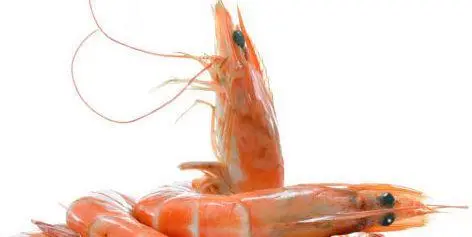
Explaining that in shrimp farming, mortality – which can be as high as 80% – is a major challenge and an economical and ethical problem for producers, the Danish company is undertaking a series of trials depicting an improving survival rate, substituting high-quality protein fishmeal with its Uniprotein.
Initial tests, conducted by the Instituto de Investigación y Tecnología Agroalimentarias in Spain as part of the Valuewaste EU project, confirmed that substituting fishmeal with Uniprotein increased survival rates.
With a 100% inclusion of fishmeal the survival rate was 37% and by substituting all fishmeal with Uniprotein the survival rate increased to 67% – an improvement of 75%.
Unibio also reported that Uniprotein performed as well as fishmeal on feed conversion ratio.
“We are delighted with the positive results of this trial, which confirmed the viability of Uniprotein as a replacement for fishmeal in whiteleg shrimp. Importantly, it has shown that Uniprotein can increase the survival rate of shrimp by about 75%, which could potentially transform the shrimp industry by improving sales and increasing profits, Unibio CEO David Henstrom said.
Based on results from the initial tests, a challenge trial with Vibrio harveyi was conducted to induce a stressor to the shrimp and investigate if Uniprotein affected the immune response during the challenge. Results from this trial showed that Uniprotein supplemented feeds – with 100% replacement of fishmeal – decreased the mortality from 16% to 2%.
Unibio’s initial nutritional trial, which followed the lifecycle of a shrimp and was conducted over a five-month period, comprised 24 200-litre tanks of water connected to a RAS system each with 100 post-larvae shrimp and seven different diets with various percentages of Uniprotein replacing fishmeal.
The company uses microbial fermentation to convert methane into protein for fish and animal feeds.
Related Articles
 AQUACULTURE
 FISHERIES
 AQUACULTURE