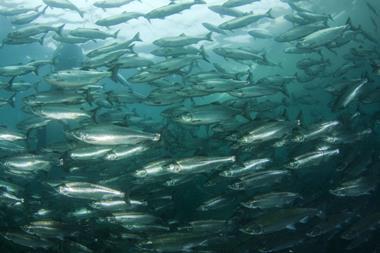





The second fishing season in Peru’s North–Centre region ended with the anchoveta fleet having landed almost all of the 1.63 million tonne quota, according to the latest analysis from marine ingredients organisation IFFO.

“This is positive news; while data still needs to be confirmed for the full year, we expect 2025 to have delivered slightly lower production of both fishmeal and fish oil compared with 2024,” IFFO Market Research Director Dr Enrico Bachis said.
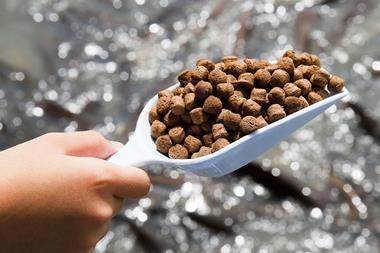
By November 2025, the total cumulative annual fishmeal production rose by approximately 2% compared to the same period in 2024, with IFFO advising that this increase was driven by higher output in most regions, except for the African countries and Iceland and North Atlantic area, which reported a year-on-year decline.
Similarly, cumulative fish oil output through November 2025 showed a year-on-year increase of around 7%. Most countries recorded positive trends compared to January–November 2024, with the exception of Peru, where lower oil yields in 2025 played a significant role in the decline, IFFO said.
The association also noted that China’s domestic production of marine ingredients remains constrained by higher costs and lower profitability for local producers.
With the peak fishing period already over, there are limited expectations for improvement through the rest of the season up to April 2026, it explained.
China’s fishmeal and fish oil production in 2025 is projected to have fallen by 20–30% from 2024 levels.
Through 2025, China’s global fishmeal imports increased by about 5% compared to the previous year, with Peru, Vietnam and Chile as the top three suppliers.
The analysis also highlighted that China’s domestic aquaculture production continues to expand, with the 2025 output expected to exceed 2024 levels.
Fishmeal demand from aquaculture – driven mainly by whiteleg shrimp farming in South China (Guangdong, Guangxi, Hainan) – is set to rise gradually ahead of the March–April 2026 season, IFFO said.