



Protix measures footprint
The Netherlands-based insect ingredient manufacturer Protix has released comparative sustainability figures for its products following a Life Cycle Assessment (LCA) conducted by the Deutsches Institut für Lebensmitteltechnik (DIL eV).
Its analysis shows scores for four insect-based ingredients from Protix, which food, feed and fertiliser manufacturers can use to reduce their ecological footprint, while addressing demand for more sustainable nutrition.
Highlights of the LCA, a commonly accepted way of evaluating the effects that a product has on the environment over the entire period of its life, include:
- ProteinX insect meal (at 1.149 kg CO2 equivalent) has almost a seven-fold lower CO2 footprint than the soy protein concentrate (at 7.5 kg CO2 equivalent) often found in livestock and aqua feed
- Each kilogram of ProteinX reduces water consumption by 330 litres (190 litres vs 520 litres for soy protein concentrate)
The DIL study shows that land and water use, as well as CO2emissions, are considerably lower for Protix’s insect-based ingredients than common ingredients such as soy protein concentrate, palm kernel oil or fishmeal.
“We are delighted that these LCA findings confirm the sustainability of our products. Following the opening of our first-in-world 14,000 square metre production facility in the Netherlands in 2019, we are now in a position to build on our results and expand internationally. With new international production plants, we are confident of achieving even better sustainability results,” said Kees Aarts, CEO and joint founder of Protix.
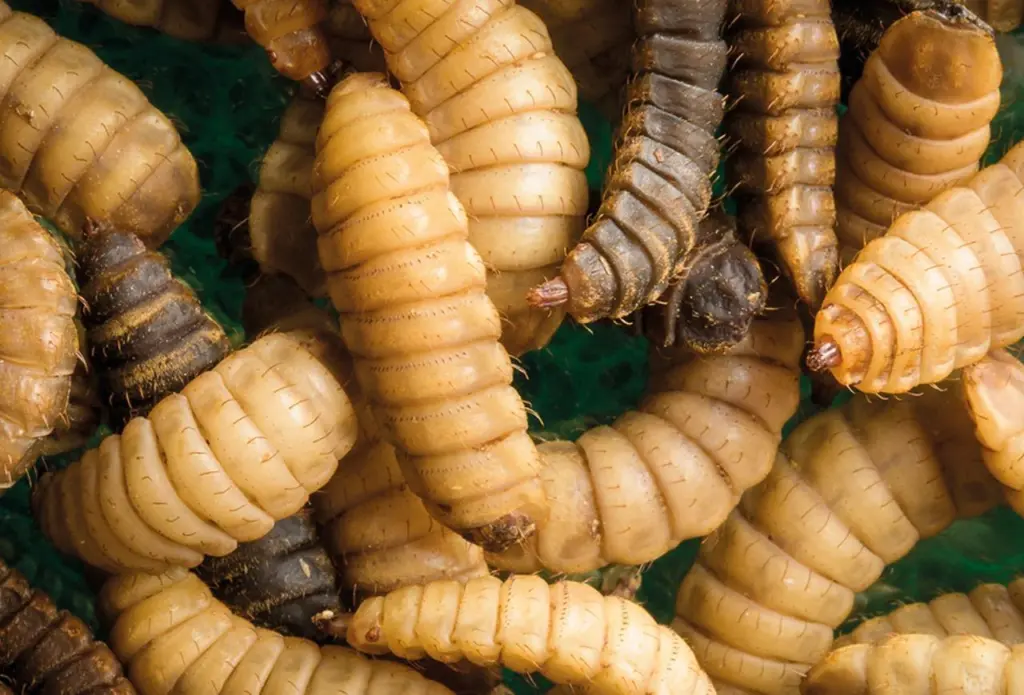
The company, which serves customers in the pet food, livestock, aquaculture and plant sectors, explained that the black soldier fly has a voracious appetite, and can turn organic waste into valuable biomass very fast, and with a low impact on resources: 1 tonne of insects can be grown in 14 days using a land area of only 20 square metres. And because the mature black soldier fly does not eat, as larvae they are very efficient at storing nutrients.
Related Articles
 AQUACULTURE
 AQUACULTURE
 FISHERIES