



New Saudi protein venture
Calysseo, the joint venture between Calysta and Adisseo, intends to build an alternative protein facility in Saudi Arabia in partnership with Food Caravan.
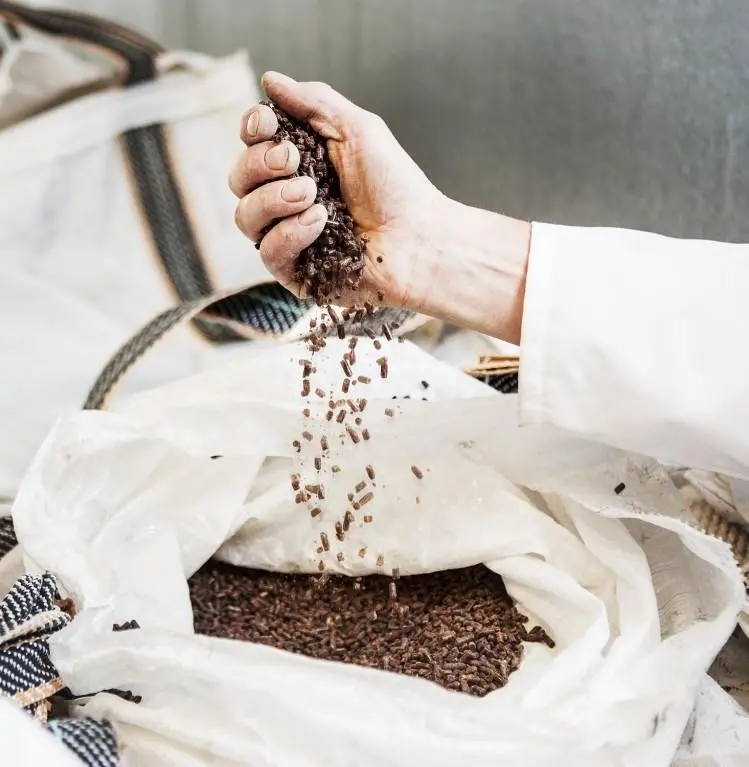
The partnership is aiming to build a 100,000 tonne-capacity fermenter in Al Jubail to produce Calysta’s novel protein ingredients, which require no animal or plant ingredients to produce.
“Our mission is to help the world meet one of its most pressing goals – feeding a global population that’s set to hit 10 billion by 2050. To do that, we need more sustainable protein and to produce protein in places we are not currently able to,” said Alan Shaw, CEO, president and co-founder of Calysta.
“This would be our second industrial-scale plant and an important step on delivering enough sustainable protein to meet growing and pressing global demand.”
Global demand
The intention to build this new facility comes after Calysseo announced it has successfully switched on its maiden 20,000 tonne fermenter in China, which will produce FeedKind Aqua protein for the aquaculture market.
Its KSA facility will be five times the size of the current Chinese fermenter.
Calysta’s protein ingredients are produced by harnessing the power of a naturally occurring process that uses no animal or plant matter, requiring almost no water and no arable land, helping preserve biodiversity. The result is a non-GMO protein that is high quality and nutritious, with a wide range of amino acids and vitamins.
Advanced discussions and detailed planning are underway between the partners, who have formalised their intent to move forward.
A gas allocation from the Kingdom’s Ministry of Energy has been received and a site has been nominated by the Royal Commission for Jubail and Yanbu.
The project is being supported by the Ministry of Investment of Saudi Arabia and the National Industrial Development Centre.
It is hoped the facility could become operational by the end of 2026, pending necessary construction and approvals.
Related Articles
 FISHERIES
 AQUACULTURE
 AQUACULTURE