



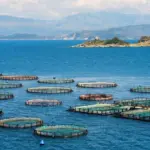


Certification for feed mills
Feed mills can now apply for certification from the Aquaculture Stewardship Council (ASC).
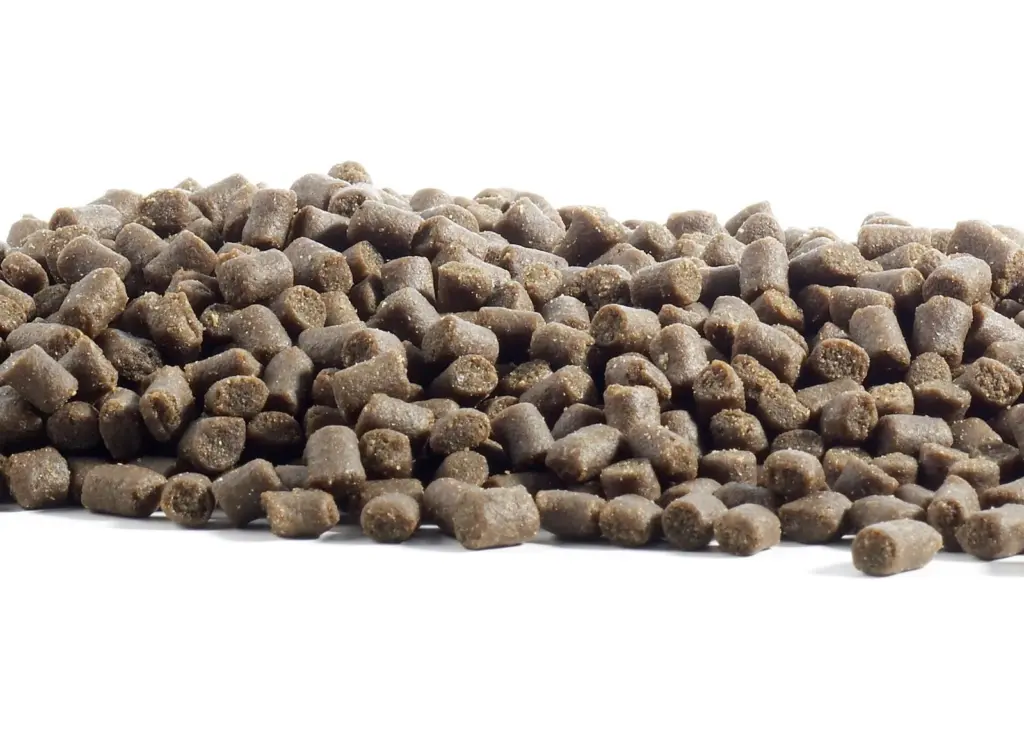
From 14 January, the ASC’s Feed Standard which encompasses legal, social and environmental regulations, is covering feed mills’ own operations and that of their suppliers.
ASC-certified farms will have 24 months to switch to compliant feed to continue meeting the ASC farm standards.
By value, farmed produce provides two-thirds of the 213 million tonnes of seafood consumed each year and more than 70% of aquaculture production (excluding algae) is dependent on feed. Sourcing this feed responsibly is crucial, said ASC chief executive, Chris Ninnes.
“Much attention, often negative, is focused on fishmeal and fish oil in farmed diets, whilst almost ignoring completely the impacts of terrestrial plant materials that constitute up to 85% of the diets of carnivorous fish,” he said.
“To farm seafood responsibly demands that the ‘upstream’ impacts be monitored and reduced. This is exactly the role that the new ASC Feed Standard will play by incentivising these improvements,” he added.
As well as ensure feed is responsibly sourced, certified feed mills must work towards ensuring their supply chains become free from risks of deforestation or land conversion as well as record and report their energy use and greenhouse gas emissions.
They are also required to treat employees fairly and conduct due diligence on their supply chains to assess and mitigate these key social risks.
Related Articles
 AQUACULTURE
 FISHERIES
 AQUACULTURE