



Aquatic feed deal
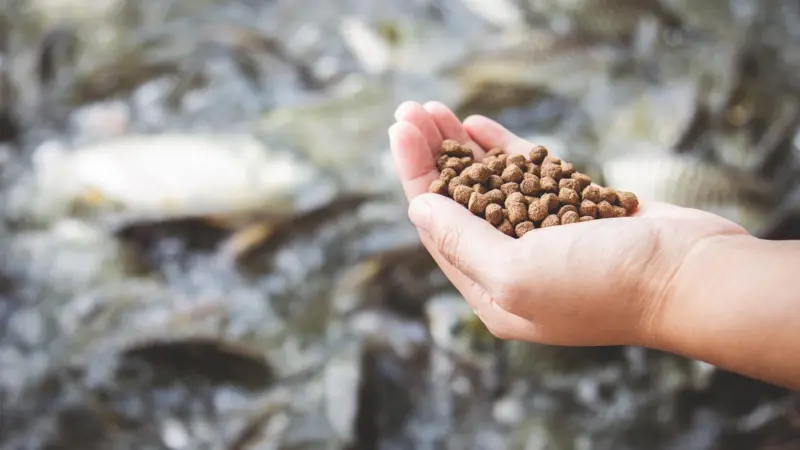
A deal has been struck to develop low-cost, nutritious aquatic feeds based on novel ingredients to benefit communities in Sub-Saharan Africa.
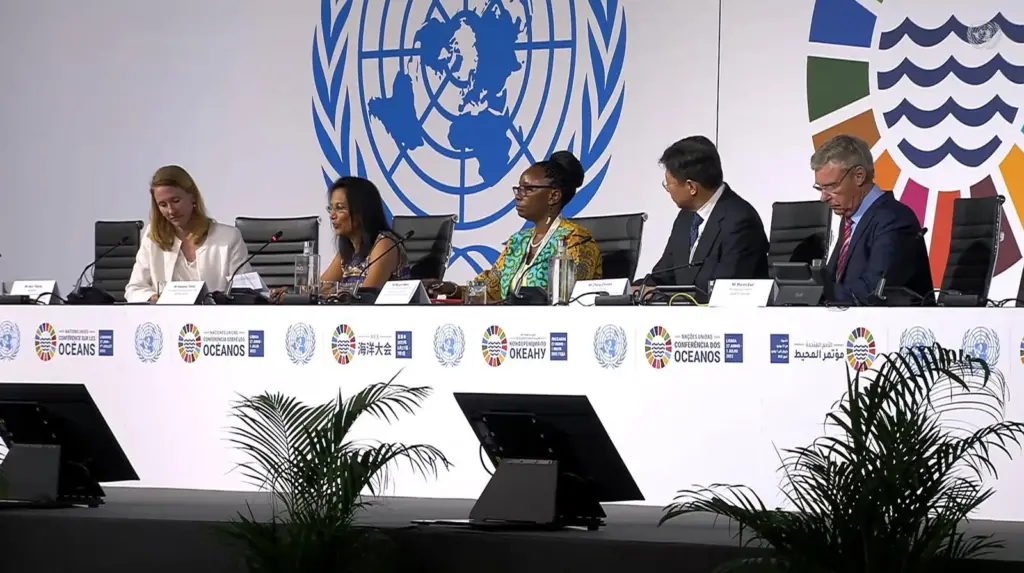
The agreement between WorldFish and the Norwegian Agency for Development Cooperation (Norad) will enable 5,000 small aquatic food producers in Kenya, Nigeria and Zambia to test and use these feeds and ingredients, boosting food security in the region.
The project, known as Development and Scaling of Sustainable Feeds for Resilient Aquatic Food Systems in Sub-Saharan Africa, will run over a five-year period from 2022 to 2027 with Norad contributing a grant of NOK80 million (approximately €8 million).
“This collaborative project will identify and improve the quality of local ingredients and enable feed millers to produce local, sustainable feeds that satisfy the nutrient requirements of local strains of tilapia and catfish in the project countries,” said WorldFish senior scientist Dr Rodrigue Yossa.
“The innovations generated through this project will be packaged into better management practice guides, for further dissemination and adoption in and beyond the project countries.”
Conventional feeds have a significant environmental cost and are frequently too expensive for many smallholder aquatic food producers. This particularly impacts women and younger people working in the sector and it is estimated that 30 and 40 per cent of producers engaged in the project will be women and youth, respectively.
The project has three main aims – to help at least two stakeholders in each country adopt best practices, to raise the quality of at least 15 locally sourced ingredients and finally to encourage 5,000 food producers to try the local feeds.
Project partners include the International Centre of Insect Physiology and Ecology, the West and Central African Council for Agricultural Research and Development, the Swedish University of Agricultural Sciences, Aller Aqua (Zambia), the Natural Resources Development College, local feed millers and farmer groups.
Related Articles
 AQUACULTURE
 FISHERIES
 AQUACULTURE