




A total of 20,000 oysters are to be introduced into the Scottish Highlands’ Dornoch Firth as part of a project to restore oyster reefs fished to extinction a century ago.
The Dornoch Environmental Enhancement Project (DEEP) placed 300 oysters in the protected waters of the Dornoch Firth last year to confirm the species could survive, while the second phrase of the project aims to recreate entire reefs – the very first time this has been attempted anywhere in Europe.
Scottish whisky distillery Glenmorangie formed DEEP in 2014 with the Marine Conservation Society and Heriot-Watt University. Dr Bill Sanderson, associate professor of marine biodiversity at Heriot-Watt, said: “This is the first time anyone has tried to recreate a natural European oyster habitat in a protected area. Working closely with Glenmorangie, we hope to create an outstanding environment for marine life in the Firth – and act as a driving force behind other oyster regeneration work across Europe.”
Regular monitoring
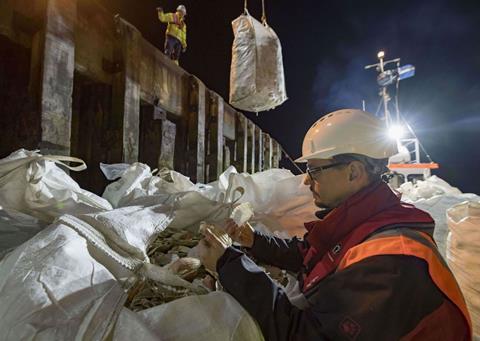
From this month, 20,000 oysters will be carefully placed on the first of the reefs, specially created from waste shell to mimic their natural habitat.
The native oysters, all grown in the UK and painstakingly cleaned and checked for disease and unwanted hitchhikers, will be regularly monitored. Based on a successful outcome of this 20,000 oyster trial numbers will be increased to 200,000 over three years.
Over five years, the population will be built up to four million, spread over 40 hectares restoring the self-sustaining oyster reefs that existed in the Firth, until they were fished out in the 1800s.