



Electric propulsion steering mussel farming
Damen Maaskant Shipyards Stellendam is heading up a research project to investigate the application of hybrid and fully electric propulsion in the Dutch mussel farming sector.
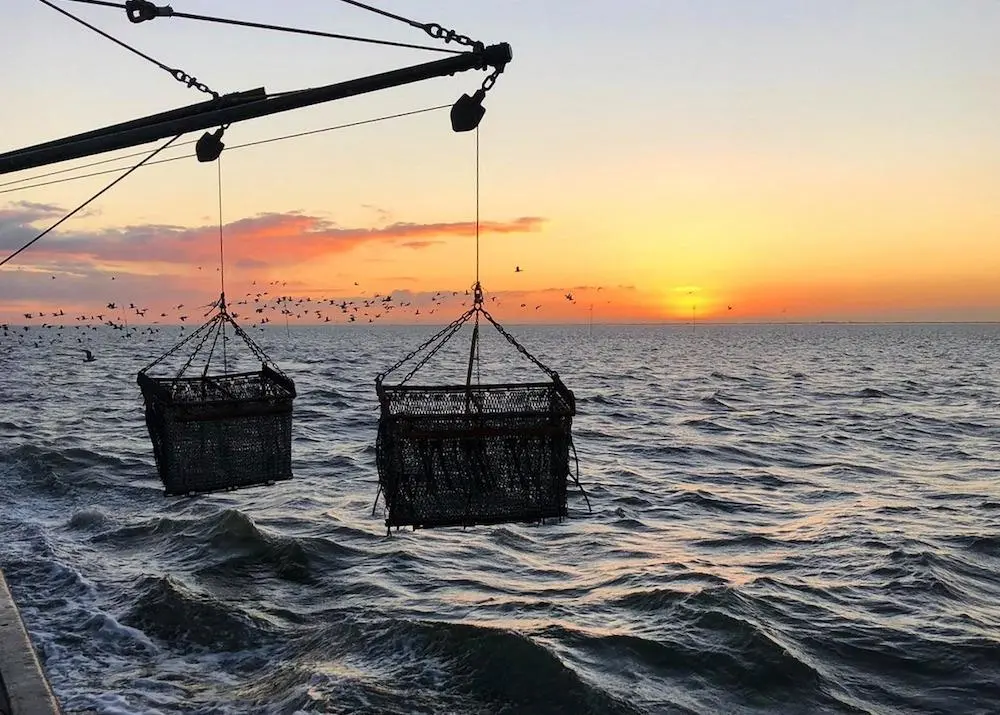
The overall aim of ‘AQUACULTURe’ is to demonstrate the potential of hybrid and electric propulsion to reduce exhaust emissions and increase profitability of operations within the shellfish farming sector. This is with a clear focus on current, in addition to future, regulations.
This led to Damen Maaskant establishing the following three specific goals including developing a power supply system that enables fully electric sailing for at least 50% of the time; improving energy efficiency of installations by a minimum of 15%; and reducing CO2, NOx, SOx and PM emissions by a minimum of 50% compared to current levels.
The project is a collaborative effort between Damen and partners including equipment suppliers, service providers and local mussel farming companies.
A key starting point for the project was to obtain up-to-date data about the energy needs and efficiency levels of vessels that are currently operating. To this end, Damen Maaskant is working with a number of local mussel farming companies, including Prins en Dingemanse and Neeltje Jans Mosselen that are sharing such crucial data. This includes information about the applicability of exchangeable batteries, the choice of battery and shore power.
The initial results of the AQUACULTURe project will be presented by Damen during the 6th edition of the International Shellfish Conference this month.
Related Articles
 AQUACULTURE
 SEAFOOD
 SEAFOOD