




“Dramatic” growth in Egypt’s aquaculture
Egypt has seen a “dramatic rise” in the number of smallholder farmers starting new Nile tilapia-focused aquaculture ventures driven by the country’s high population growth and an increasingly active agriculture sector.
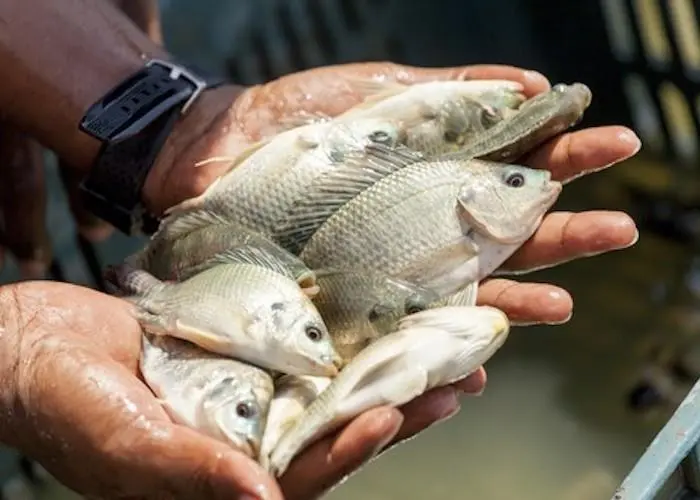
These new fish farmers have also been encouraged by the government’s public backing of fish farming and the country’s increased per capita consumption of fish, while to support the sector’s rapid growth, there has been a considerable increase in the number of local fish feed plants supplying the market, said Skretting.
Speaking about the establishment of Skretting Egypt in 2008 and its role in supporting local aquaculture development, Salah Abd El Kader, sales and technical support manager, said: “Our number-one priority throughout the past 10 years has been to maintain a very close relationship with all the fish farmers in Egypt.
“This commitment is part of our DNA and has undoubtedly brought a lot of success to Egyptian aquaculture. The farmers confide in us and trust us to always work in their best interests as they continue to advance.”
Egypt is by far the biggest aquaculture producer in Africa and harvests 900,000t of tilapia annually. With the aquaculture sector growing increasingly competitive, it becomes even more important to focus on fish health, efficiency, quality and lower costs and to utilise technological developments, stressed Skretting.
At the start of this year, Skretting Egypt launched a new product, Nutra for tilapia. The Nutra range consists of high-performance starter diets supporting first-feeding fry by providing the specific nutrients and right particle size for each life stage. Providing high survival rates and robust young fish, these specialised feeds are designed to contribute to the improved performance of hatcheries.
The introduction of Nutra was recently followed by Protec for tilapia, a new functional diet which helps to support the immune systems of fish and optimise the balance between fish, microbes and environment.
Related Articles
 AQUACULTURE
 SEAFOOD
 SEAFOOD