



Cleanerfish initiative delivering sustainable solutions
A special workshop for the Scottish salmon farming industry has heard that cleanerfish are delivering exciting opportunities for Scottish salmon farmers as they confront sea lice as part of the industry’s multimillion pound initiative to deliver sufficient supply of cleanerfish as a natural solution for sea lice outbreaks.
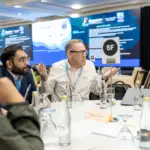
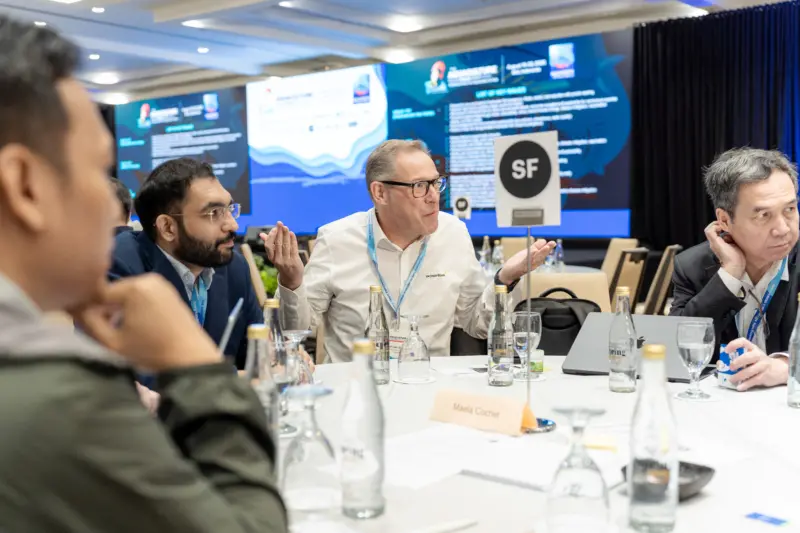
Hosted by the Scottish Salmon Producers’ Organisation (SSPO) in Inverness, the event included presentations from a number of Scottish salmon farmers who shared findings on industry-specific projects and collaborative activities, encouraging discussions about the practical application and opportunities arising from the use of cleanerfish at seawater farms.
Industry is already seeing a year on year increase in the number of farmed cleanerfish used at seawater farm sites across Scotland which is driving production and expansion of cleanerfish breeding facilities across the UK. Industry specialists have a clear understanding of how cleanerfish can provide a sustainable solution to fish health management which is helping to identify research and development opportunities farmers can take forward
John Rea of Scottish Sea Farms opened the workshop with a Scottish perspective on cleanerfish. This was followed by an overview of cleanerfish hatchery production in the UK and an opportunity to hear practical information and advice about the latest breeding and husbandry techniques. Next, farmers shared their experience of deploying cleanerfish in seawater pens and sessions on health and nutrition.
Olav Breck from Marine Harvest Norway presented a Norwegian perspective of using cleanerfish as part of the industry’s husbandry techniques, concluding that a multinational approach to cleanerfish research and innovation holds the key to success in aquaculture.
Herve Migaud from the Institute of Aquaculture at the University of Stirling showcased the wealth of research and development projects taking place in Scotland and what is planned for the coming years.
SSPO data and research manager, Iain Berrill, said, “Bringing the extended salmon farming community together generated interesting discussion points and helped to highlight potential opportunities and challenges. It was helpful to identify some of the bottlenecks in the production of farmed cleanerfish and look at how we might resolve them”.
Related Articles
 AQUACULTURE
 SEAFOOD
 SEAFOOD