
Norwegian aquaculture giant Cermaq has signed a joint venture agreement with the local partner, Anova Corporation, in Vietnam. Through its feed operations, EWOS, Cermaq is entering operations in the Vietnamese feed market.
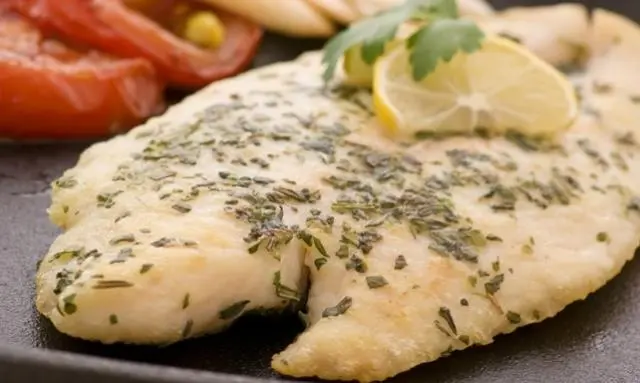
Vietnam exports between 600,000 and 700,000 tonnes of pangasius fillets annually.

Vietnam exports between 600,000 and 700,000 tonnes of pangasius fillets annually.

Through acquisition of shares and a share issue, Cermaq has obtained 51% of the shares in the joint venture company. It will control the board of directors and the management team. Rune Vamråk, supply chain director of the Norwegian company EWOS AS, is appointed as general manager for the company.

By this agreement EWOS has entered the feed market for farmed pangasius, and Cermaq said the broad competence the company has within salmonids can be successfully transferred to pangasius, which has enjoyed strong market growth in Europe and the US over the last decade.

Pangasius eat feed which is made mainly from plants, and can supply significant volumes of sustainable marine protein to the global food market.

Venture partner Anova is established in Vietnam with a factory in the Long Anh province. This plant which will be transferred to the joint venture company as a part of the transaction has an annual capacity of 85,000 tonnes.

EWOS Vietnam has considerable ambitions for the Vietnamese market and the goal is to utilise the full capacity of the plant within the first operating year.

Vietnam’s pangasius production is around 1.8 million tonnes. Most of this volume is exported as fillets, reaching around 600,000-700,000 tonnes annually.

“Vietnam is the fish feed market for the future. We are well prepared, and look forward to employing our competence also outside the scope of salmonids,” said Kjell Bjordal, COO for Cermaq's feed operations, EWOS.

Through its establishment in the Vietnamese market, EWOS can contribute with its competence related to food safety and sustainability, said Cermaq. Furthermore EWOS will utilise its research-based knowledge within fish nutrition, raw materials and food production to produce a more cost efficient feed than what is currently available in the Vietnamese market.

“We believe that the farming of pangasisus can be strengthened through optimising the feed, focusing on feed technology, nutrient requirements, and fish health,” Bjordal said.

The agreement represents a first investment of close to $6 million (€4.6 million).