
€177m allocated to support Irish seafood in 2025
Having secured a budget allocation of EUR 177 million for 2025 to support the seafood sector, Ireland’s Minister for Agriculture, Food and the Marine Charlie McConalogue TD said he is confident it will enable the acceleration of measures being funded under the Seafood Development Programme, continue vital investment in the Fishery Harbour Centres and provide necessary funding to the marine agencies whose activities support the fishing and seafood sector.
The Seafood Development Programme is co-funded by Ireland and the EU and is the primary funding package to support the commercial seafood sector, with an overall funding package of EUR 258 million over its lifetime.
The programme supports the provision of a wide range of financial supports to fisheries, aquaculture and seafood processing enterprises and to enterprises, groups and individuals in coastal communities including supports for capital investment, innovation, professional advisory services and marketing.
Commenting on Budget 2025, McConalogue said: “I welcome the EUR 177 million funding allocation… This allocation provides a range of supports for the seafood sector in 2025.”
This includes:
- Inshore Fleet Economic Assessment Scheme, with participants in this scheme, running into 2025, receiving payments of between EUR 3,500 and EUR 5,000, depending on vessel length
- Inshore Fisheries Scheme – with targeted support provided for small-scale coastal fishing vessels, which are registered fishing vessels under 12 metres in length who do not use towed gear. Enhanced grant intensity rates of between 80% and 100% are provided to these vessels to support both onboard and on-shore investment, and for participation in conservation measures
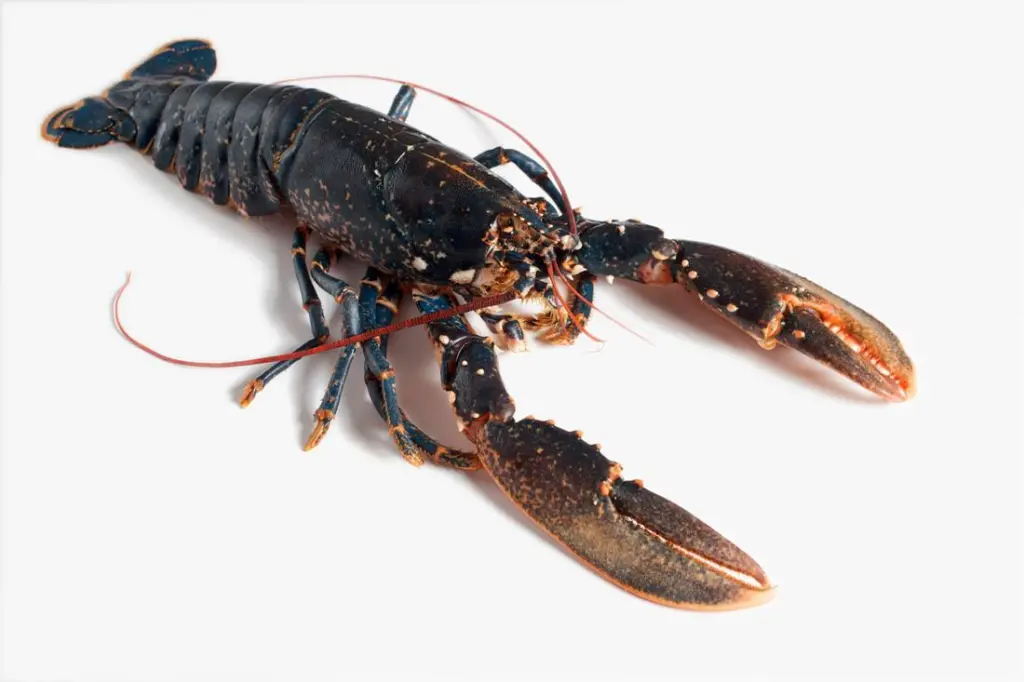
- A related lobster V-notching Scheme continues the work done under previous V-notching schemes to improve the sustainability of this fishery, which is of significant importance to the inshore fishing fleet
- Sustainable Fisheries Scheme – providing support to all registered fishing vessels (other than the small-scale coastal fishing vessels) for onboard investment. Both the Inshore Fisheries Scheme and the Sustainable Fisheries Scheme support investment by fishing vessels in more selective gear that reduces catches of juvenile and/or over quota species, with the ultimate aim of improving the sustainability of fisheries
- Seafood Processing Capital Investment Scheme – providing support for capital investment in the seafood processing sector. It will continue and build on the supports provided to the sector over the course of 2022 and 2023 under the Brexit Processing Capital Support Scheme, funded under the Brexit Adjustment Reserve (BAR), where industry received over EUR 30 million in funding for capital investment in this sector
- Aquaculture Capital Investment Scheme – giving support to aquaculture operators for capital investment to promote environmentally sustainable aquaculture activities and strengthen the competitiveness of aquaculture production
- Seafood Training Scheme – supporting the development of skills and knowledge across the fisheries, aquaculture and seafood processing sectors
- Young Fishers Scheme – offering support to persons under 40, who have 5+ years’ experience and/or relevant training, to assist them in purchasing their first vessel. Grant aid up to 40% of the cost of the vessel can be accessed under this scheme, subject to a maximum payment of EUR 250,000. There are some restrictions regarding the age and length of vessels which may be purchased under this scheme
“I am confident that these schemes will provide very necessary support to the seafood sector and future schemes in 2025 will include schemes to support the producer organisations, community-lead local development via the Fisheries Local Action Groups (FLAGs) and a seafood innovation scheme,” McConalogue said.