



Blockchain can boost aquaculture confidence
Blockchain could boost the transparency of the aquaculture sector by providing a means to trace and record the entire fish supply chain, according to a new report by classification society, DNV GL, and consultancy firm, Deloitte.
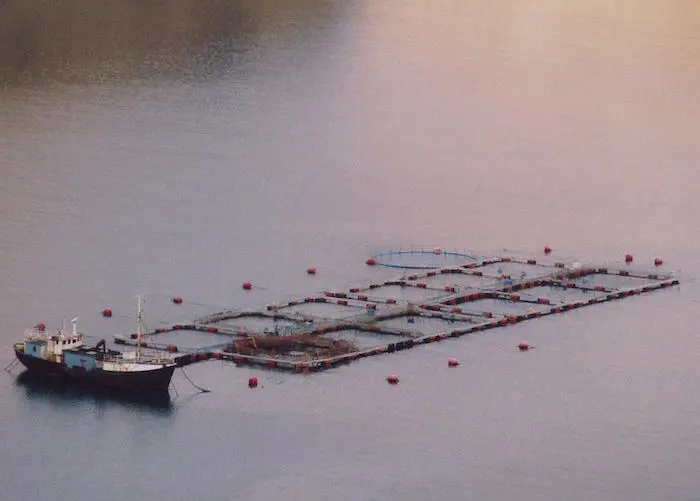
Data from ‘bait to plate’ could be stored in a publicly available blockchain, which will help to appease industry and consumer concerns about sustainability and food safety.
Luca Crisciotti, chief executive of business assurance at DNV GL, said that the technology is already emerging as a key element in bridging gaps in trust. “The components of a working ecosystem already exist,” he said. “There is a clear demand from consumers and other key stakeholders for transparency to build trust in seafood value chains and products.”
Overfishing and environmental concerns create reputational challenges for the fishing industry and blockchain could offer a way of improving confidence by creating transparency and establishing trust in sustainable sources and practices.
The potential benefits of making data available on a blockchain go beyond the consumer. The transparency of a supply chain increases the effectiveness of audits enabling financial institutions and insurance companies to have a clearer insight into operations. Similarly, public administrations would be able to improve their licence management and monitoring.
However, to fully realise the benefits of blockchain, hurdles must be overcome. The authors of the study conducted interviews with stakeholders and found several barriers to the uptake of blockchain. There is already extensive record keeping but traceability data has not been prioritised and companies are often reluctant to share that information.
Related Articles
 SEAFOOD
 AQUACULTURE
 SEAFOOD