


The Best Aquaculture Practices (BAP) third-party certification finished 2018 on a positive note, with more than 2,000 BAP-certified facilities worldwide, representing an increase of almost one third.
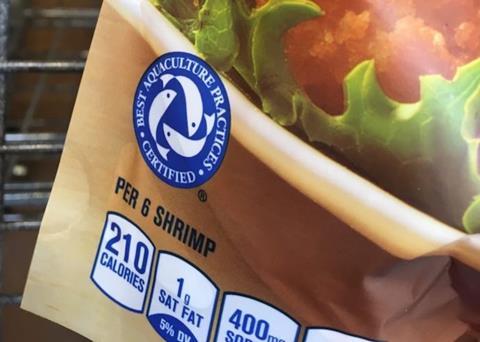
A division of the Global Aquaculture Alliance, BAP is an international certification programme based on achievable, science-based and continually improved performance for the aquaculture supply chain. It has more than tripled in size in the past four years.
Andrew Mallison, executive director of GAA, explained more. “The BAP programme took the needs of the marketplace for confidence in food safety, environmental impact, social responsibility and animal welfare and applied them to each stage of the aquaculture value chain.
“This end to end approach, with a broad assessment of risks, is unique but also backed by the extensive membership and advocacy support of the GAA.”
The 2,287 certified facilities in 2018 comprise 1,534 farms, 370 processing plants, 45 re-processing plants, 220 hatcheries and 118 feed mills. The certifications span 33 countries on all inhabited continents and the farms figure alone represents more than 1.5m tonnes of production annually.
The programme also saw multiple firsts last year including a recirculating aquaculture system and seriola farm; the first company to offer four-star BAP Mediterranean sea bass and sea bream; first four-star BAP king salmon; first Scottish company to attain BAP certification; first pet food product; first four-star oysters; first European mussel farm and the first BAP products to be promoted in Japan.