




BAP bans outsourcing of shrimp processing
The Global Aquaculture Alliance’s Best Aquaculture Practices (BAP) is prohibiting BAP-certified processing plants from outsourcing the processing of shrimp to third-party entities.
This stand against child labour and forced labour in the shrimp supply chain comes into effect on 1 January 2016.
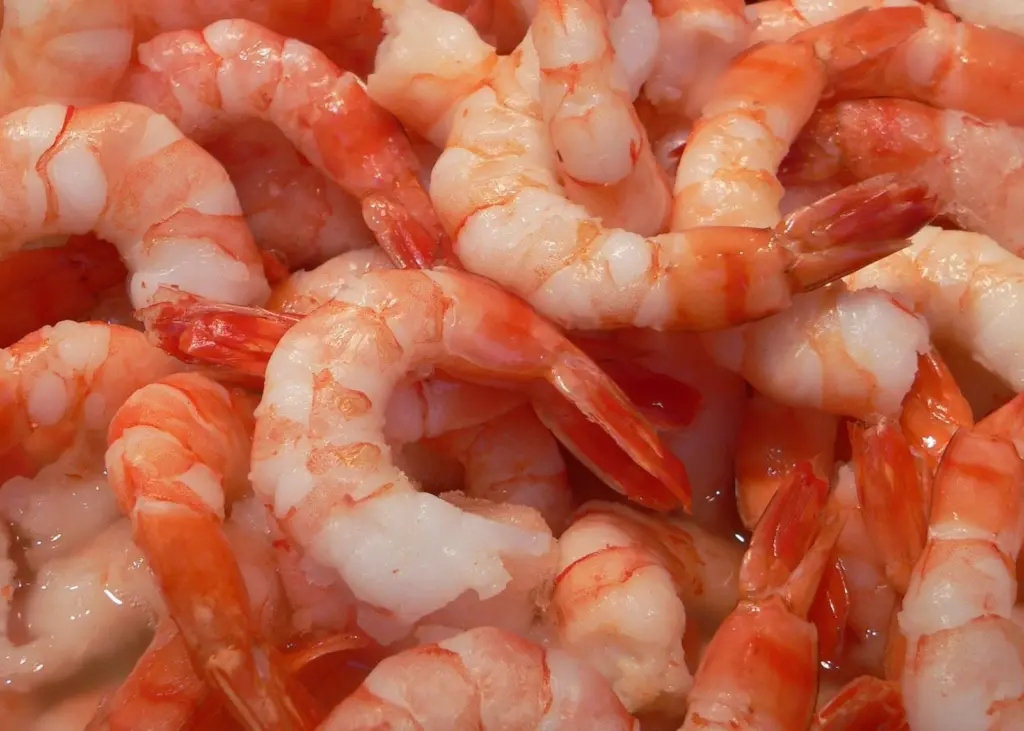
The decision follows reports of child labour and forced labour in the shrimp supply chain, specifically at peeling and heading ‘sheds’. A shed is a seasonal, temporary processing plant that operates independently and is unregistered and unlicensed. Licensed facilities that operate as part of a larger processing plant are not included in the prohibition.
“Our experience over many years with farmed shrimp is that most of the peeling and heading of shrimp is conducted at well run processing facilities, and it is only during infrequent periods of peak supply from farms that outsourcing takes place,” said GAA executive director Wally Stevens. “The current BAP processing plant standards require facilities that outsource their peeling or heading operations to maintain appropriate controls over the environmental, social and food-safety practices of those outsourced operations. But obviously it would be far better if these processing steps were conducted in-house.
“Accordingly, we will prohibit BAP-certified facilities from outsourcing their peeling and heading operations, effective 1 January 2016.”
BAP is the world’s only third-party aquaculture certification program with seafood processing plant standards. GAA says that it takes allegations of child labour and forced labour in the seafood supply chain very seriously, and allegations of non-compliance can trigger an unannounced audit, in addition to routine annual audits.
Related Articles
 AQUACULTURE
 AQUACULTURE
 AQUACULTURE