




Australian reef restoration shows promise
The Southern Hemisphere’s largest reef restoration project has reached an important milestone with the seeding of more than 50,000 endangered Australian flat oysters.
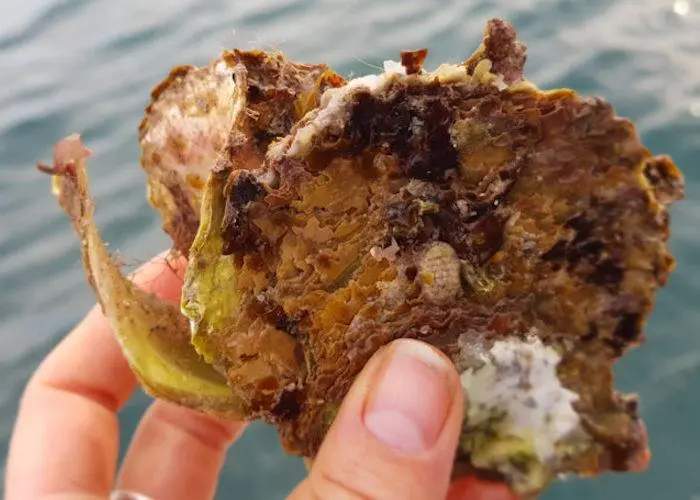
The Windara Reef project is being led by The Nature Conservancy (TNC) in the waters of Gulf St Vincent in South Australia and comprises 150 artificial reefs spanning 20ha about 1km off the coast of Ardrossan on South Australia’s Yorke Peninsula.
TNC project manager, Anita Nedosyko, said the first dives to measure the environmental benefits on water quality, fish production and biodiversity had yielded positive results.
“We’ve already seen abalone, scallops, sea urchins, schools of leatherjackets, snapper, magpie perch and cuttlefish,” she said.
The reefs were sunk in 2017 and 2018 and the first 30,000 mature native oysters were seeded in January 2018. The construction of the reef involved placing almost 10,000 tonnes of limestone boulders to form 150 reefs across the 20ha area.
The native oysters (Ostrea angasi) seeded this week are eight months old and have been supplied by the South Australian Research and Development Institute. Another deployment of native oysters will take place on the reef later this year with the goal of boosting their numbers to more than 7 million in the 20ha zone.
Ms Nedosyko said it was hoped that the Windara Reef would eventually lead to increased fish production of 5 tonnes per hectare a year including recreational fishing favourites such as snapper and King George whiting.
“It’s like a well-stocked fridge – it’s really attractive to fish coming in because they can stop, get fed and move on or decide to be residents,” she said.
Related Articles
 AQUACULTURE
 AQUACULTURE
 SEAFOOD