


ASC Feed Standard discussed
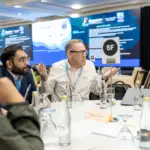
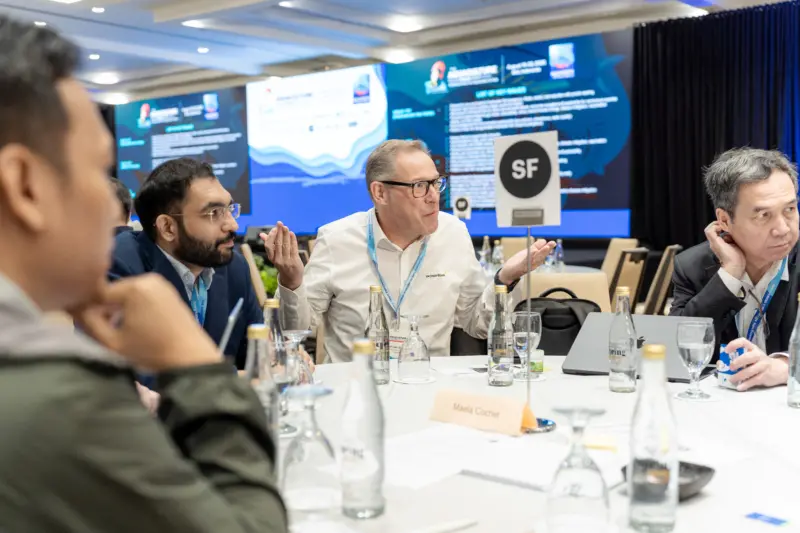
Last week around 50 experts in marine, plant, animal and micro ingredients, as well as supply chain and feed mill experience, gathered together for the ASC Responsible Feed Project working group event.
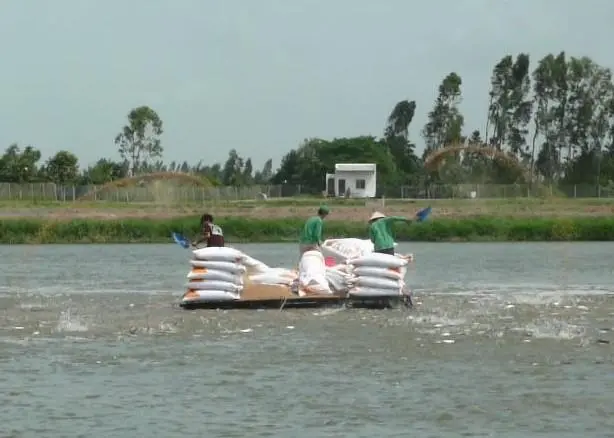
During the sessions, Secretary for the Responsible Feed Project Michiel Fransen explained how feed is a major contributor to the overall environmental impact of aquaculture. “The production of the key ingredients used in making aquaculture feed create environmental and social pressures that must be addressed,” Mr Fransen said.
Chris Ninnes, ASC’s CEO, gave a presentation on the ASC programme, describing how through assessment against the ASC standards the programme aims to reduce the environmental and social impact of aquaculture worldwide.
Over the next year the steering committee and working group members will provide expert knowledge to help develop the requirements that will make up the ASC Feed Standard. This will be followed by two public review rounds involving the broader stakeholder community, who can provide input into the draft standard.
According to Mr Fransen, as well as a feed standard, the project will deliver the related audit manual, which will be used to guide auditors in applying the standard, and a field test for the standard and audit manual. He explained that “in developing the standard and the audit manual a range of environmental and social issues will need to be analysed and the results will ensure their content is scientifically robust, reflects best practice and can be applied consistently.”
“When the standard is finalised it will be available for anyone who wants to use it,” said Mr Ninnes. “This collaborative approach is the best way in which to develop the consensus needed to improve the environmental performance of key feed ingredients used in fish farming.”
Related Articles
 AQUACULTURE
 SEAFOOD
 SEAFOOD