





ASC completes standards review
The Aquaculture Stewardship Council (ASC) has completed its review on its salmon, tilapia and pangasius standard, which has revealed some improvements need to be made.
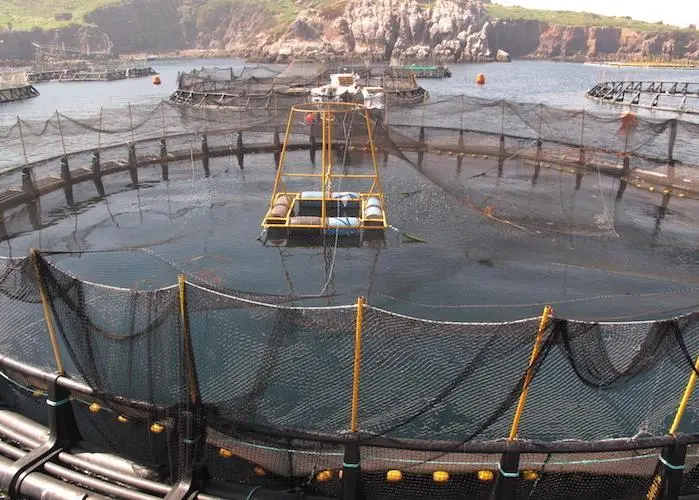
These improvements relate to the requirements for salmon feed and new restrictions on the use of antibiotics.
Chris Ninnes, CEO of ASC, said: “Social indicators account for up to 40% of the content of an ASC standard and we hope to see the further promotion of these aspects in benchmarked programmes in response to the interest of corporate seafood buyers globally.”
ASC’s standard, which was first put in place in 2015, is dedicated to measurably improving the environmental and social performance of aquaculture producers through the use of metrics-based farm performance standards.
As per the requirements of the standard, each ASC farm undergoes a periodic review to ensure its continued effectiveness.
Following the review, the standard has also been strengthened and improved in response to feedback received on its operational impact and effectiveness.
ASC’s standard is in line with the Global Sustainable Seafood Initiative (GSSI) Benchmark Process which it entered into in March 2017. The GSSI benchmark is based on United Nations Food and Agriculture Organization (UN FAO) Guidelines for the Ecolabelling of Fish and Fishery Products.
GSSI offers the market a pre-competitive approach to provide clarity on seafood certification and ensure consumer confidence. Programmes are benchmarked through performance indicators for governance, operational management, supply chain traceability and auditing and were developed in consultation with many stakeholders including environmental NGOs, independent experts and intergovernmental organisations.
Related Articles
 AQUACULTURE
 SEAFOOD
 AQUACULTURE