




A new study reveals that Scottish seafood like salmon, herring and mackerel, rich in Omega-3 and Vitamin B12, is predominantly exported, despite its health and climate benefits.
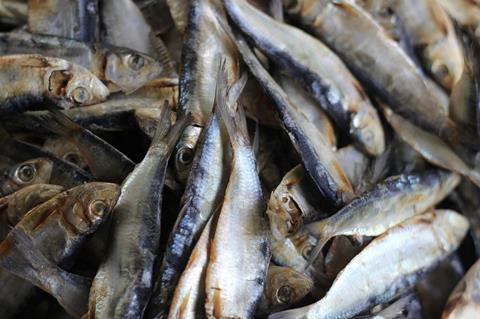
Research from The Rowett Institute at the University of Aberdeen, published in Nature Food, found that locally caught oily fish could fulfill 73% of the recommended daily Omega-3 intake and 46% of Vitamin B12.
“For the first time, we mapped what seafood we produce, what is imported and exported and how this relates to what we eat and what we should be eating for optimal human and planetary health,” said Professor Baukje de Roos, from The Rowett Institute.
Marked benefits
Despite its noted benefits, the UK’s seafood consumption remains below recommended levels, with most of the local production sold abroad while the domestic market leans on imported varieties like prawn, cod, salmon and tuna.
Promoting the consumption of Scottish seafood, especially oily fish, could play a crucial role in enhancing public health and achieving climate targets.
Seafood offers essential nutrients with a lower carbon footprint compared to other animal proteins, presenting an opportunity to support net zero goals.
The researchers are advocating for a significant push to encourage local seafood consumption.
Dr Anneli Löfstedt, one of the research authors, said: “We used to eat a lot of herring. It was an important part of our culture and we should try to revive the demand for oily fish. Tinned fish may offer an excellent opportunity to do just that.”
This study forms part of the Scottish Government’s strategic research programme and aims to influence policies globally, ensuring sustainable seafood practices and protecting fish stocks.