

Strong finish to challenging 2024 for SalMar
The last quarter of 2024 has marked a turning point for SalMar after a challenging year, with significant improvements in biological conditions and financial results signalling positive prospects for 2025.
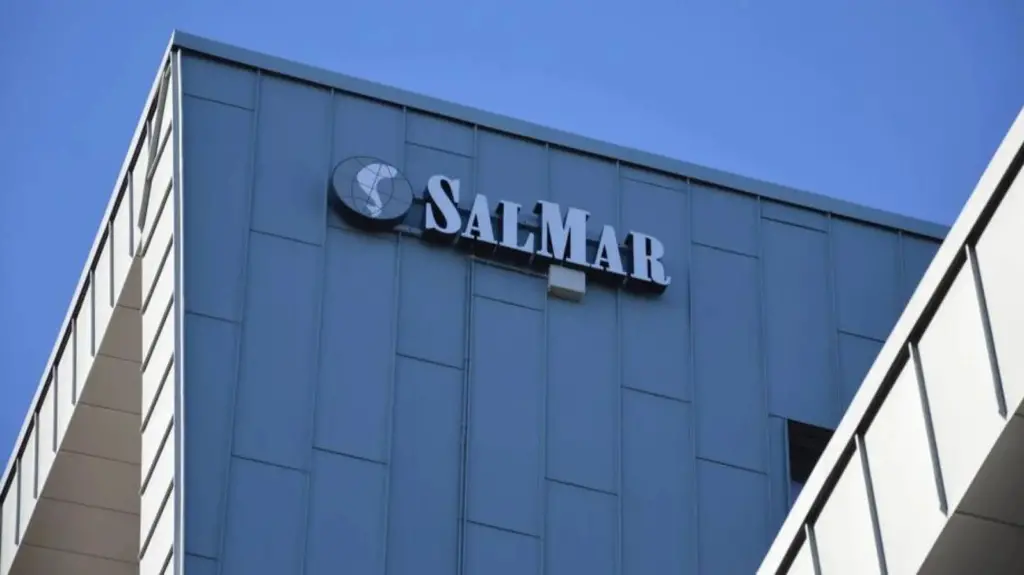
The company’s operational EBIT for Norway reached NOK 1,485 million (€127.84 million), with a harvest volume of 67,300 tonnes, resulting in an operational EBIT per kg of NOK 22.1 (€1.90).
For the group, the operational EBIT totalled NOK 1,489 million (€128.19 million), with a harvest volume of 73,800 tonnes and an operational EBIT per kg of NOK 20.2 (€1.74).
“Throughout the quarter, we have seen good biological development in the sea, especially in northern Norway,” said Frode Arntsen, chief executive of SalMar.
“With better biological status, the outlook for 2025 looks brighter compared to last year.”
The Norwegian farming segments showed strong performance, supported by efficient sales and industry operations. SalMar Aker Ocean’s Arctic Offshore Farming and Ocean Farm 1 production cycles are progressing, with planned harvests in 2025’s first half. Although Icelandic Salmon was still impacted by earlier events, it showed improvement in results.
Scottish Sea Farms reported another solid quarter, with higher harvest volumes and strong biological performance. SalMar has proposed a dividend of NOK 22.00 (€1.89) per share for the 2024 financial year, reflecting its strong financial position.
In February 2025, SalMar acquired a controlling stake in Knutshaugfisk and strengthened its partnership with Wilsgård. Looking ahead, SalMar plans to invest NOK 1.9 billion (€160 million) in 2025, focusing on fish welfare, and anticipates a 17% increase in harvest volume, expecting 294,000 tonnes across its operations.
“We see significant opportunities for improvement, cost reduction and growth in all parts of our business, and we consider ourselves well-positioned to realise this potential,” concluded Arntsen.