


Saudi hatchery project enters construction
A major aquaculture hatchery project in Al Lith, Saudi Arabia has entered its construction phase, marking a significant step forward for National Aquaculture Group as it expands production capacity in the region.
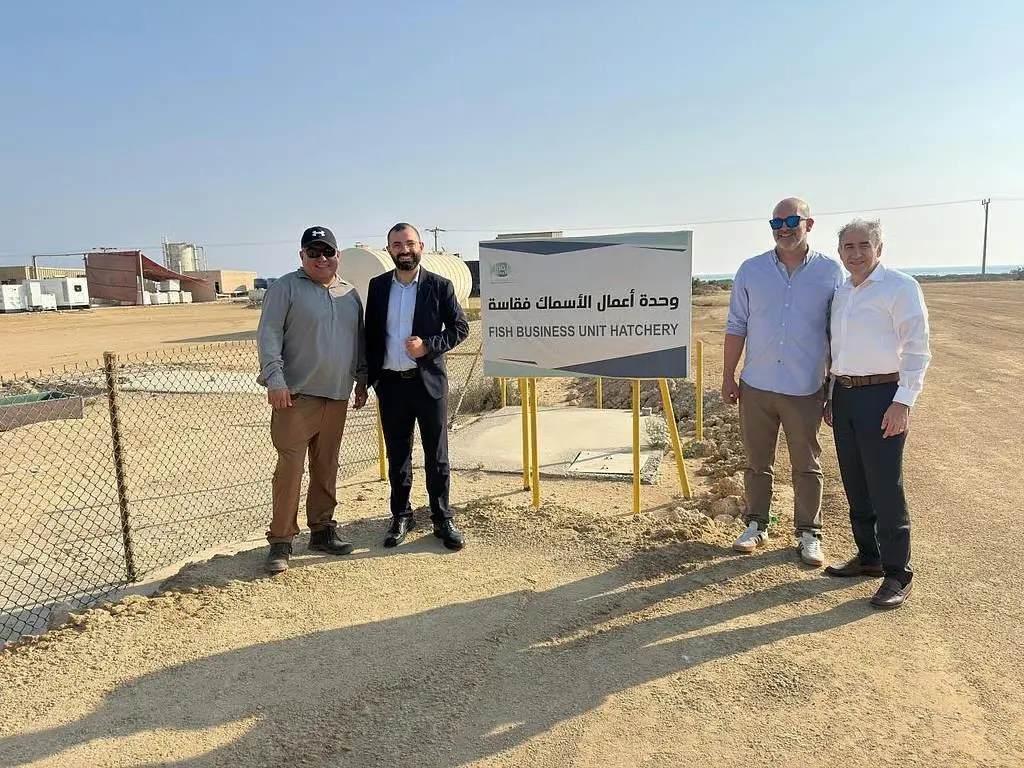
The facility is being delivered in partnership with MAT-KULING, which is supplying compact recirculating aquaculture systems designed to support large-scale fry production. Once operational, the hatchery is expected to produce up to 40 million barramundi fry annually, supporting both domestic and export markets.
A MAT-KULING spokesperson said the project “sets a new benchmark for modern hatchery development in the Middle East, highlighting MAT-KULING’s ability to deliver large-scale, integrated, and high-performance aquaculture infrastructure for demanding environments”.
The project includes four broodstock systems, three larval rearing systems, and dedicated live feed production units for rotifers and Artemia. In total, 85 prefabricated thermoplastic tanks of varying sizes will be installed, forming the backbone of a highly controlled production environment.
Spanning a main building area of more than 3,400 square metres, the hatchery will incorporate advanced feeding technologies, PLC-based automation with human-machine interfaces, and independent recirculation loops. Strict biosecurity zoning has also been integrated into the design to enhance fish health and operational reliability.
The agreement between the two companies was signed in May 2025, reflecting Saudi Arabia’s broader push to expand its aquaculture sector and strengthen food security.
The development comes amid wider investment in alternative protein and aquaculture technologies across the Kingdom. Recently, Unibio partnered with Saudi Industrial Investment Group to establish what is expected to be the world’s largest single-cell protein facility, underlining the country’s ambitions to become a regional hub for sustainable food production.
Related Articles
 BUSINESS & FINANCE
 AQUACULTURE
 ICELANDIC FISHERIES EXHIBITION