


LLS applies to bring semi-closed fish farm tech to Scotland
Loch Long Salmon (LLS) has placed a planning application for a semi-closed fish farm, and states that this technology excludes sea lice, catches most of the organic waste, and improves the health and welfare of the farmed stock.
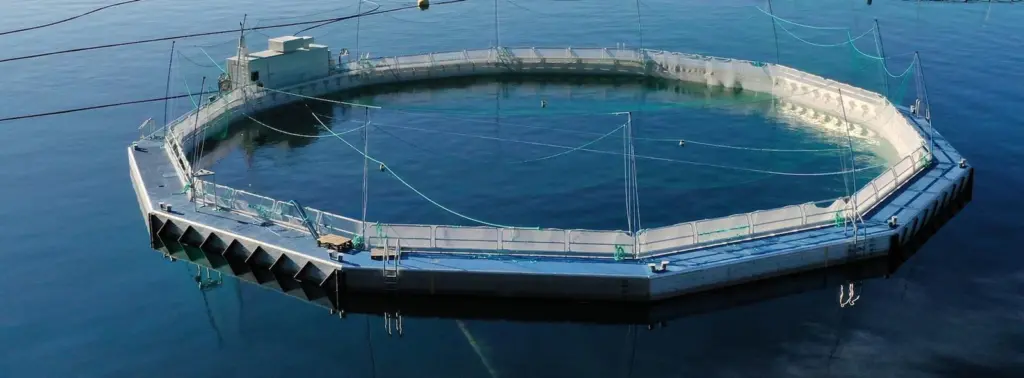
This would become Scotland’s first semi-closed fish farm, located at Loch Long near Beinn Reithe in Argyll.
According to LLS, while the Loch Long site would not be suitable or economical for conventional open net aquaculture due to its low current, it is ideal for Scotland’s first semi-closed farm due to its sheltered location, deep water, geographical isolation from other salmon farms, and proximity to a suitable shore base location.
“We are excited to be the first company bringing this transformative farming system to Scotland, and the Loch Long site provides the ideal environment for semi-closed aquaculture,” said LLS director Stewart Hawthorn.
“Our technology will allow salmon farming to thrive in Scotland’s rural coastal areas, such as Loch Long, with a significantly improved environmental and fish welfare performance. We will be working closely with local stakeholders to demonstrate how the proposed farm will be good for the environment, good for the salmon and good for the local community.”
He commented that semi-closed systems have been demonstrated to offer a range of benefits. The conventional salmon farm net is completely enclosed by an impermeable and opaque marine fabric material. This secondary barrier prevents sea lice from reaching the farm and seals from seeing the farmed fish, while trapping most of the salmon faeces and any uneaten feed.
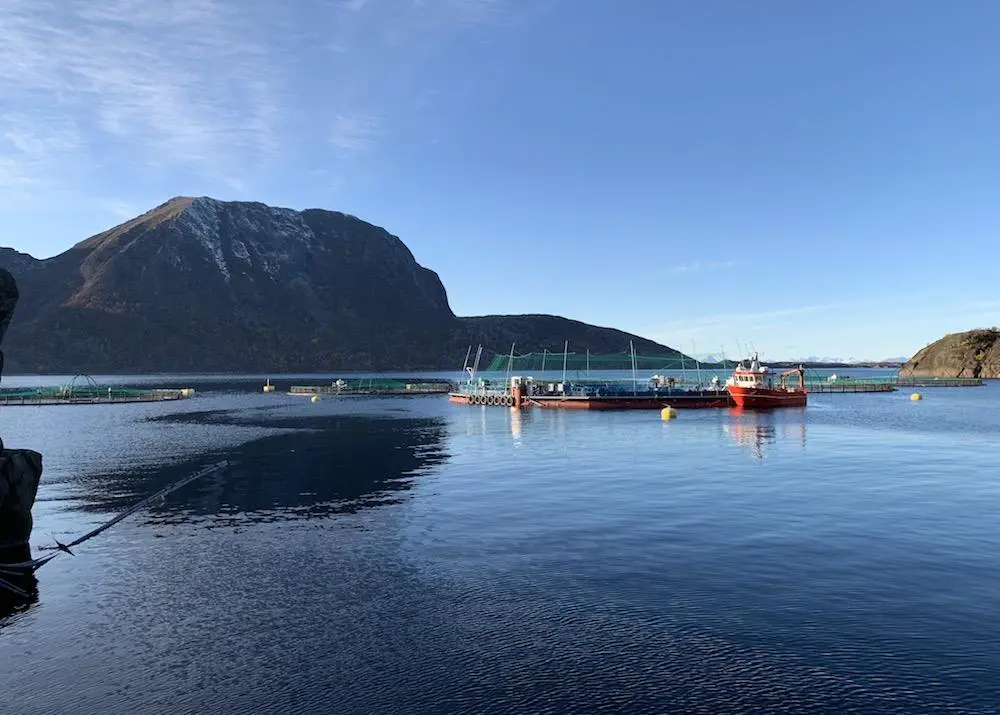
The lack of medicinal or other treatments needed for sea lice has been shown to improve the welfare of the farmed fish overall, and to prevent breeding populations of lice establishing in the enclosures preventing retransmission to wild salmon and trout. Semi-closed farms also do not require anti-seal nets or underwater acoustic seal scaring devices, and therefore have minimal impact on nearby marine wildlife including seals, dolphins, porpoises and whales.
LLS plans for the farm to capture more than 85% of the organic waste produced. This will be used as a fertiliser ingredient or in green energy production.
“When I started working on this project it was immediately apparent to me that our fresh approach would bring so many positives to the table. I have enjoyed working with stakeholders including SEPA and Marine Scotland as we have introduced the first semi-closed farming proposal to Scotland,” said project manager Mark Shotter.
“It has also been very positive to be talking to the local communities and the Loch Lomond and The Trossachs National Park Authority who would host our innovative, low-impact salmon farm. By addressing the concerns many have about aquaculture, we believe that our farm would be a great fit for the area.”
The proposed farm will comprise four circular marine farming enclosures each with an outer diameter of up to 50 metres and a square harvesting facility with a side length of up to 50 metres, all being semi-closed containment systems. These enclosures will sit in single file formation in an 80m x 80m mooring grid approximately 300 metres from the western bank of Loch Long.
The farm, which LLS hopes to be operational by 2023, will employ approximately twelve staff in a mix of salmon farming and technical roles encompassing site management, farming and fish health technicians, site engineers and mechanics and a waste system specialist.
Related Articles
 AQUACULTURE
 AQUACULTURE
 AQUACULTURE