




FAO: Enhance blue finance for aquaculture innovations
Enhancing blue finance for innovations and developments in the aquaculture sector will help mitigate a range of critical threats posed by climate change and the increasing demand for food and nutritional security, according to UN Food and Agriculture Organization (FAO) Senior Fishery Officer Simon Feunge-Smith.
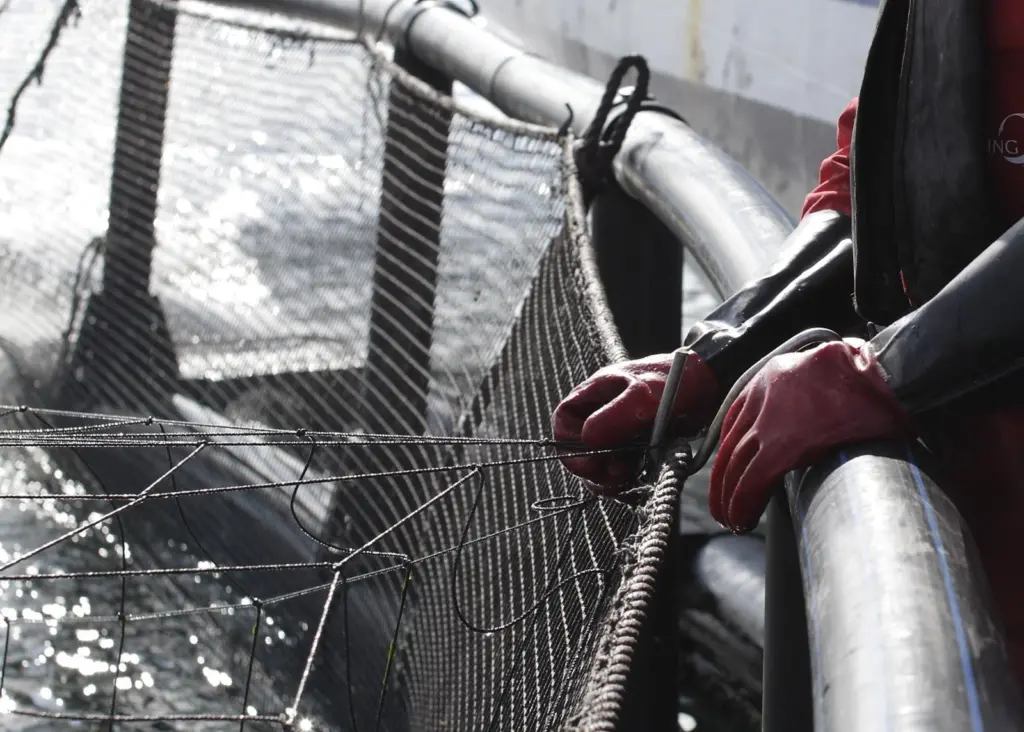
Speaking at a technical session on ‘Emerging Challenges and Opportunities in Inland Aquaculture’ at the Global Fisheries Conference India 2023, Feunge-Smith said global aquaculture is on course to provide 59% of the fish for human consumption by 2030.
But he also emphasised the need to prioritise low carbon footprint aquaculture systems with high value nutrition, saying that technological advancements and investments are required for a sustainable growth of the sector.
The global blue sector has changed over the past 25 years, with 37% higher per capita fish consumption and 250% higher aquaculture production, Feunge-Smith said.
“Asia provides 89% of global aquaculture production with 82 million tonnes. The sector creates jobs for 20.5 million people in the primary sector.”
Referring to the promotion of sustainable fisheries and aquaculture, he suggested supporting sustainable practices by small-scale fisheries and aquaculture farmers.
As well as providing an overview of the challenges and opportunities in inland aquaculture, the session also highlighted the need to foster collaboration and knowledge exchange among experts and stakeholders.
Related Articles
 SEAFOOD
 AQUACULTURE
 SEAFOOD