

Aquaculture modelling tool
A complex computer model developed in South Australia is offering commercial operators the chance to more efficiently and sustainably run their businesses.
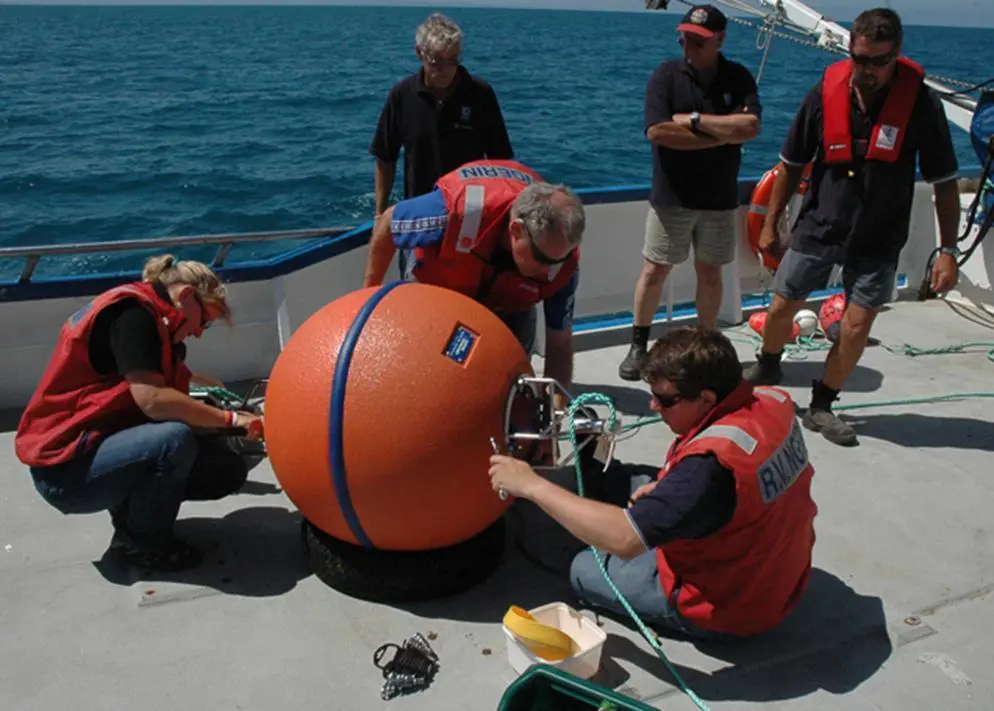
The innovative tool allows scientists and aquaculture managers to test the “big picture” environmental impact of various fish farming scenarios over large tracks of water as well as the localised impacts of individual farm leases.
Developed over four years by the South Australian Research & Development Institute (SARDI) to monitor aquaculture in the Spencer Gulf, the model simulates the level of nutrients in a given area of the gulf and how the ocean circulation in that area might diffuse or disperse them.
When applied to a spatial planning tool through a graphical user interface, the model allows managers and producers to rapidly assess the suitability of new and existing aquaculture finfish sites at the scale of the gulf, region or lease.
The tool is known as CarCap1.0, reflecting the importance of “carrying capacity” – the concentration of nutrients in the ocean – in determining whether aquaculture developments can proceed in Australia.
While primarily designed to help authorities manage present and future aquaculture development in Spencer Gulf (currently worth around $240 million a year at the farm gate), the system is attracting interest from industry because it can help producers improve feeding regimes and the seasonal placement of fish within their leases.
The data covers a range of factors from ocean circulation and seasonal variations in climate and rainfall, to temperature, salinity, oxygen, and phytoplankton and zooplankton levels.
Significantly, the system can differentiate nutrients created through aquaculture from those occurring naturally or from other sources such as wastewater disposal.
The good news for South Australia is the natural input of nutrients into the gulf is about 18 times greater than human-related nutrient inputs, suggesting that current aquaculture is sustainable and there is scope for expansion.
Related Articles
 SEAFOOD
 AQUACULTURE
 SEAFOOD