



Pandemic turns people onto pelagic fish
Markets have upped their herring and mackerel consumption during the coronavirus crisis. But does the revival have staying power?
The Covid-19 coronavirus has caused market disruption on an unprecedented scale, and the widely held expectation is that the so-called “new normal” that eventually emerges from the crisis will be very different from the pre-pandemic world, complete with new values, priorities and approaches.
Like many components of the global food system, seafood has already had to come to terms with some incredible shifts these past 18 months. Alongside some players who have been forced to dramatically scale back or even shutter operations, a number have seen their businesses grow, while others have managed to successfully adopt new strategies in order to meet current consumer demands.
As previously observed by WF&A, online sales of fish and shellfish have soared throughout the crisis, with the lockdowns providing many people with more time to establish stronger connections with these foods, how they are produced and the inherent benefits of eating them. As such, there’s now a much greater enthusiasm for serving up seafood meals at home – an outcome that will hopefully continue to prevail.
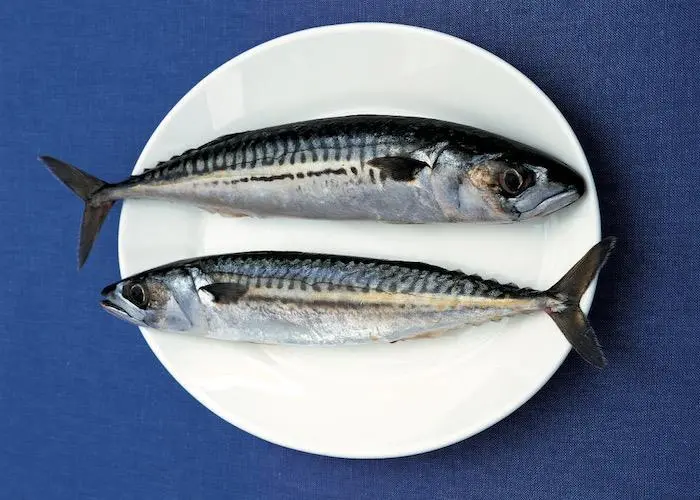
Perceived to offer good value for money, the pelagic sector has particularly benefited from these circumstances. Figures published by the Norwegian Seafood Council (NSC), for example, show that the first half of this year saw bumper volumes of herring and mackerel exported to overseas markets, and achieve strong prices in the process. By comparison, widespread restaurant and catering closures have taken their toll on Norwegian cod sales volumes and prices this past year.
Pelagic species have been a good match for the pandemic landscape, the NSC’s Business Development Manager Responsible for Pelagic Strategy, Jan Eirik Johnsen, told the recent North Atlantic Seafood Forum (NASF 2021).
“The COVID-19 pandemic has profoundly changed many aspects of our lives, but one thing that didn’t change this last year is the catch and export of pelagic fish. This is not a small feat; it’s the result of great efforts by a lot of people in the industry, as well as an understanding by authorities of the importance of supplying seafood to the people at home and abroad,” Johnsen said.
According to his analysis, pelagic consumption has risen with both the purchasing frequency and purchasing volume increasing among demographics that were already buying herring and mackerel. At the same time, new consumers have been drawn to the species.
Positive turnaround
Johnsen informed this year’s NASF that the consumption of herring had been under constant pressure in most European countries for several years and this had accelerated further in 2019, with only Poland bucking the downtown.
However, the pandemic “turned a negative trend into a positive one”, with consumption in the important markets of Germany, Poland, Belgium, France and the United Kingdom increasing by an average 7%, he said.
Meanwhile, mackerel consumption has been decreasing since 2016, with France, Poland and Spain offering the largest European markets for the fish. But as with herring, this trend was reversed last year – growing 8%, 9% and 10% in Belgium, Spain and France, while prices increased by 3 to 9% in these markets.
“Overall, it seems that the mackerel situation is not so price sensitive in these markets as herring consumption,” Johnsen said, also highlighting that in France, which is Europe’s biggest market for the fish, the reaction to the pandemic was immediate.
“From April 2020, the purchasing frequency started to increase. Then French wholesalers started to buy more, and in the last two months of the year, more people were buying more mackerel more often, and at a higher price.
“In times when the economic outlook is uncertain, people want to reduce their expenses. This applies to food, and in this situation, herring and mackerel are attractive products.
“Additionally, we find that because the pandemic has reduced our ability to move, people want products that have a long shelf-life in their homes. Canned and frozen products have seen a substantial increase during the pandemic. The restrictions on movement have also led to more people wanting healthy products.”
Sensibly positioned
The determination of households to keep a tight rein on expenditure while also continuing to seek healthy food options, has seen the pelagic category fare very well in the Russian market throughout the crisis, confirmed Denis Repinsky, President of fishing and seafood supplier DEFA Group.
“Our economy has come under huge pressure due to COVID as well as [low] oil prices and oil consumption. Despite these economic difficulties, people have remained keen to have a healthy lifestyle, which is of course good news for pelagics and other fish products.”
Looking ahead, the consumption forecast is a positive one, with Russians expected to increase their spend as the country emerges from the crisis, while also remaining “price sensible”, Repinsky said.
With regards to species, he said that while Russia’s pelagic exports have largely stayed the same, the domestic market has welcomed an increased supply of mackerel, and this demand presents “huge potential” next year with quotas set to increase.
The situation is slightly different for herring, however, with the overall quality not being up to the level that the Russian market is used to.
This is despite good production in the Far East and higher quotas for the coming season, Repinsky said.
“We would like to have more [high-quality herring] product, if it becomes available.
“The situation for pelagics is very positive for us as suppliers, because prices are still at sensible levels for consumers. We can say this product is very healthy and much more price-competitive than chicken for example.
“Producers are also changing the ways in which they sell and supply these products, and we see that there are many more possibilities in the HoReCa (hotel, restaurant and catering) segment. We are positive that there will be a very healthy market for these species.”
Future demand
Utilising pelagic fish for human consumption is just one of three important end markets for the resource, with a lot of volumes also diverted into the feed industry as fishmeal and fish oil, as well as into the pharmaceutical sector, highlighted Egil Magne Haugstad, CEO of Pelagia AS, who added that this trio are not on equal development pathways.
There has, he said, been rapid growth within the dietary supplements and omega-3 space, with the global market for these estimated at US$ 65 billion in 2019 thanks to rising health concerns, changing lifestyles and shifting dietary habits.
Currently, this sector is heavily orientated towards western markets, which means there are opportunities to extend into other geographies in the longer term, he added, noting that approximately 70% of the current global population is still in a state of omega-3 deficiency.
Meanwhile, the demand for feed commodities like fishmeal and fish oil is being driven by the continuous growth of fish and shrimp farming, with Haugstad advising that fed aquaculture has outpaced non-fed volumes and today represents some 70% of total production.
Aquaculture feed production amounted to 45 million tonnes in 2018, with 10% of the volume used for the farming of salmonids, he said, adding that salmonid feeds are currently the main market for North Atlantic fish oil and fishmeal and that the price trends for these ingredients are heading upwards.
Returning to pelagic species as food, Haugstad said there are variations across different markets, but that in general prices are increasing and this is likely to continue.
“There is growth in the population, a growth in wealth, and hopefully there will be fewer people subject to extreme poverty and a lack of food. At the same time, the wild catch is relatively stable… with the demand side increasing along with populations, wealth and so on that’s [supporting] the underlying price increases.”
Understandably, the concern in pelagic circles is that the upturn in demand is merely a blip – a positive but temporary effect of the pandemic – that will ebb away as market recoveries progress. Indeed, NSC’s Johnsen told the conference that he was already seeing some early signs of reversal in the recent consumption trends.
“We can say that the pandemic has given us a pelagic boost, but if we want to sustain this we should look to Poland and herring. The recipe there for growing consumption over time has been product development and marketing,” he told the conference.