


Flogas Britain and Stolt-Nielsen LNG have partnered to bringing LNG to areas of Scotland and the north of England in a project set to benefit the aquaculture and fish processing sectors.
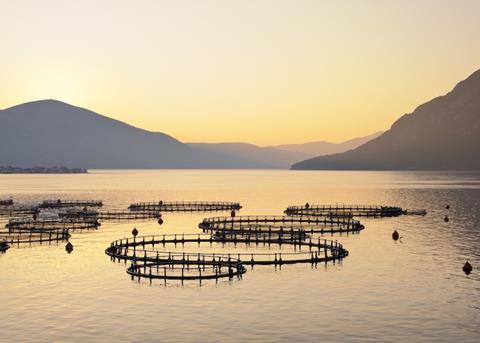
The project aims to provide bulk LNG to businesses not served by the existing natural-gas grid, reduce the cost of the fuel and help lower carbon emissions due to LNG’s ability to produce lower levels of carbon dioxide than diesel following combustion.
Flogas’ head of sales, Rob McCord, said: “Often located in off grid locations, fisheries and fish processing plants will be among the biggest beneficiaries of this unique project. Not only will it help reduce energy costs, but it will also help cut carbon emissions.
“We’re working on obtaining permits at the moment, and once we have them construction will begin.
“Flogas already supplies gas to many off-grid businesses in Scotland, and the interest we have from potential new customers is huge. The demand is certainly there. We now need to work with the Scottish Government and our other stakeholders to bring the project to life.”
Set to be completed in 2019, the project will see LNG shipped by Stolt-Nielsen LNG via small-scale LNG carriers and stored in bulk at the Port of Rosyth in Dunfermline, before being distributed by Flogas road tankers to fisheries across Scotland and the north of England.
At present, the region’s off-grid natural gas is delivered by road tanker from Kent, South East England. Its high cost means many off-grid fisheries and processing plants use oil or gas instead.