



UK sustainability boost
Five research projects have been awarded over £3.5 million to gather vital evidence to inform how UK fisheries are managed and to protect marine habitats.
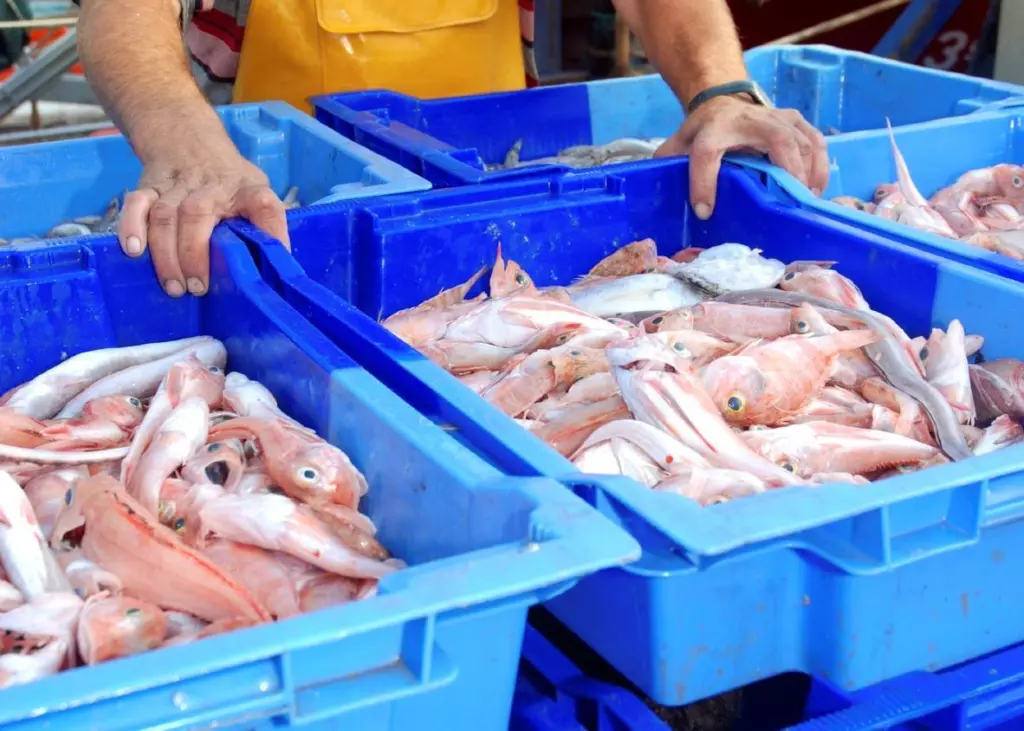
Successful projects include the University of Plymouth Enterprise Ltd who will collaborate with organisations including the Angling Trust and Professional Boatman’s Association to collect crucial data to help protect species vulnerable to overfishing such as sharks, skates, rays and black bream.
Participating boats will tag and track 200 black bream and 100 rays and sharks to shed light on their complex life histories and help ensure the sustainability and survival of these important species.
Meanwhile Bangor University, in partnership with the British Geological Survey, Orkney Fisheries Association and Welsh Fisherman’s Association, have been granted nearly £400,000 to investigate the impacts of climate change on the common whelk. The research will look at how temperature changes and location can impact on the growth, distribution and survivability of this commercially valuable species.
All the projects are from the third round of the Fisheries Industry Science Partnership (FISP) scheme, part of the government’s £100 million UK Seafood Fund investment, which brings together the seafood industry with research organisations to improve knowledge and data and help manage and protect often rare and valuable species.
“A proper understanding of important marine species is vital if we are to manage our fisheries sustainably and safeguard the fishing and seafood sector for future generations,” UK Fisheries Minister Mark Spencer said.
“By drawing on the expertise of the fishing community and combining this with our world class researchers, we can discover new ways to manage our stocks and protect vulnerable fisheries.”
Dr Emma Sheehan, Associate Professor of Marine Ecology at the University of Plymouth highlighted that the UK’s coastal waters are home to a huge range of important species but that many are vulnerable to overfishing and exploitation which poses real challenges from both a conservation and an economic perspective.
“These projects will build on our previous work alongside fishing communities and authorities, and gather much needed data about critically important species such as pollack, black bream, sharks, skates and rays. By studying where they live, and why, we can develop more effective ways of managing their habitats sustainably now and in the future,” she said.
In addition, the fourth and final round of the FISP scheme has opened to eligible applicants and runs until 19 January 2022.
Last month also saw the second round of the US Seafood Fund Infrastructure scheme open to applicants. With £30 million of funding now available to help pay for upgrades to ports, processing and aquaculture facilities, these schemes are aimed at ensuring the sector is equipped to meet future demand.
A further round of the infrastructure scheme is set to open in 2023 to support fleet modernisation in the wild catching sector, with another future round focusing on the recreational fishing sector.