




Progress for Med and Black Sea fisheries, aquaculture
More than 20 countries and the European Union have confirmed the adoption of 34 measures aimed at ensuring the conservation and sustainable use of marine living resources, as well as the sustainable development of aquaculture in the Mediterranean and Black Sea.
The 46th session of the General Fisheries Commission for the Mediterranean (GFCM) of the Food and Agriculture Organization of the United Nations (FAO), held in Split, Croatia, has been hailed as one of the most productive in the organisation’s history, with 12 partner organisations, including Global Fishing Watch, MEDAC, Oceana, OceanCare and WWF joining the discussions.
“By definition, making plans for the conservation and sustainable use of shared marine resources depends on trust and collaboration between many different stakeholders,” GFCM Executive Secretary Miguel Bernal said. “I’m delighted by the ambitious attitude our members brought to the session this year, coming together to achieve common aims and objectives. I also commend the groundwork laid by countries in our technical advisory bodies: it’s their knowledge and expertise that give our members the foundation they need to make more and better decisions about our collective future.”
Along with measures aimed directly at commercial fish stocks, a series of recommendations towards minimising fishery impacts on the wider marine environment were also brought to the negotiating table. A Regional Plan of Action to protect vulnerable species including seabirds, cetaceans and sea turtles was agreed upon, while critically endangered species such as the European eel and Black Sea sturgeons received increased levels of protection.
GFCM members also agreed on a roadmap for the establishment of a fisheries restricted area to protect the fragile Cabliers coral mounts of the Alboran Sea. Additionally, under the Paris Agreement, the regional fisheries management organisation (RFMO) has launched a long-term initiative towards the decarbonisation of the regional fishing fleet.
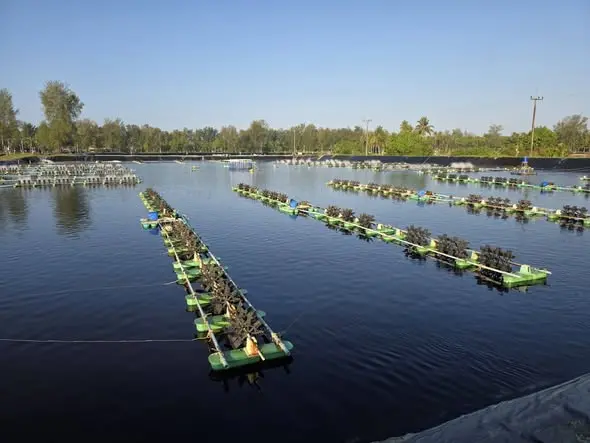
With regards to aquaculture, proposals focused on the sustainable development of the sector came from several countries, while a resolution to launch guidelines supporting the implementation of environmental monitoring programmes across the region received strong backing.
Proactive efforts to reduce plastic use and improve sector waste management were also reflected in new decisions.
As they did for the fishing fleet, participants at the session made a series of proposals for the decarbonisation of the aquaculture sector, including the promotion of sustainable energy sources, carbon sequestration techniques and low-impact production methods, as well as launching a regional climate adaptation plan to make the sector more resilient to change in a warming world.
The final area under the spotlight at the session was compliance – ensuring GFCM decisions are effectively implemented and that member countries meet the commitments they have made for the development and regulation of their fisheries and aquaculture operations.
Milestones were set in many areas, and new tools to ensure a culture of compliance were adopted. Two permanent inspection and surveillance schemes were launched for international waters, while new catch documentation schemes for commercially important Black Sea turbot and Mediterranean red coral will increase accountability and contribute to the fight against illegal, unreported and unregulated (IUU) fishing.
Furthermore, a new mechanism was created to foster a culture of compliance in the region, through the adoption of a key decision that would allow the Compliance Committee to better identify cases of non-compliance, their sources and, most importantly, appropriate follow-up actions to prevent and mitigate them.
Strong political commitment was also shown in relation to the establishment of a regional vessel monitoring and controls system.
GFCM Members include 23 contracting parties (Albania, Algeria, Bulgaria, Croatia, Cyprus, Egypt, European Union, France, Greece, Israel, Italy, Lebanon, Libya, Malta, Monaco, Montenegro, Morocco, Romania, Slovenia, Spain, Syria, Tunisia and Turkey ) and six cooperating non-contracting parties (Bosnia and Herzegovina, Georgia, Jordan, Moldova, Saudi Arabia and Ukraine).
Related Articles
 FISHERIES
 AQUACULTURE
 SEAFOOD