



Oman revokes fleet
A fleet of vessels that have been fishing illegally across the Atlantic and Indian Oceans have been struck off Oman’s registry.
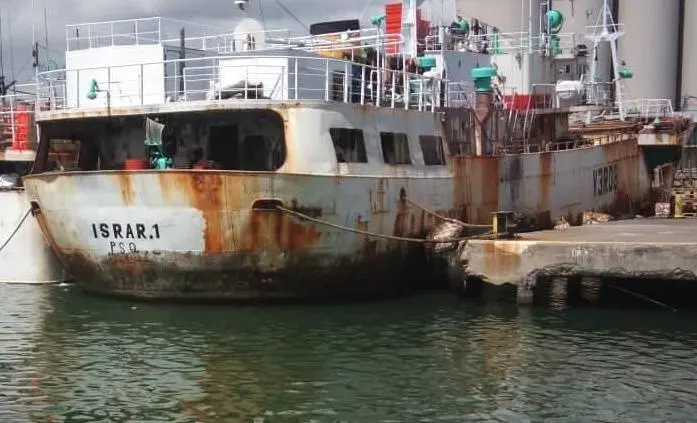
The decision follows years of investigations conducted by the NGO Environmental Justice Foundation (EJF) and will severely restrict the ability of the ISRAR fleet to carry out further illegal fishing.
Max Schmid, COO of the Environmental Justice Foundation applauded Oman for its decision.
“We hope that Oman will be part of a larger movement to put an end to illegal fishing, and that more governments take the same step to ban such vessels. However, we need global, systematic transparency to be implemented across the whole sector if we hope to succeed in securing an end to the destruction of ocean ecosystems and human rights abuses at sea,” Schmid said.
Oman informed the Indian Ocean Tuna Commission (IOTC) that it would delete the vessels from the registry, as “the documentation submitted by owners about the previous history of the vessels was not satisfactory, together with all other evidence collected by all the fisheries departments involved”.
Oman has withdrawn all fishing licence and permits to the ISRAR vessels and revoked their Oman registration.
The ISRAR fleet, which has been operating in the Atlantic and Indian Ocean for years, has been blacklisted by the International Commission for the Conservation of Atlantic Tunas (ICCAT) since 2021 and by the IOTC since May 2022, as well as dropped by its insurers in March 2022.
According to EJF, the fleet has used every trick in the book to avoid scrutiny for their actions, including relocating their fishing activities, changing their vessel names and flags frequently to avoid detection and engaging in trans-shipment, which is when vessels meet at sea to transfer catch, supplies or crew, allowing them to stay at sea for prolonged periods of time.
An acute lack of transparency in the global fishing sector often allows such operators to get away with illegal fishing and the destruction of ocean ecosystems, said EJF.
In addition, human rights abuses are frequently committed against crew on illegal vessels. Abuses include forcing crew to work inhumanely long hours, verbal and physical abuse and withholding wages.
EJF argues that there are simple, low-cost steps that governments can take to ensure transparency in global fisheries and force such illegal vessels out of the shadows.
The industry urgently needs change, it said, adding that it hopes the action from Oman is a catalyst for a shift in how countries deal with illegal fishing.