


North Atlantic quotas
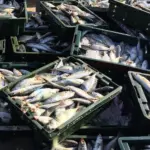
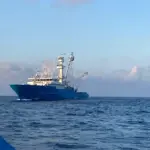
An advocacy group committed to sustainable deep fishing in the North Atlantic has urged coastal states to agree on the management of mackerel, herring and blue whiting, ending a 13 year dispute over quota allocation.
In a position paper, the North Atlantic Pelagic Advocacy (NAPA) Group has set out meaningful steps to ensure that these species are sustainably fished, primarily through working together and capping international catches.
Annual disputes over quotas in the Northeast Atlantic Coastal States have resulted in a disregard for scientific advice and overfishing of 30% to 40% over the recommended total allowable catch for herring and blue whiting. As a consequence fisheries have been stripped of their MSC certifications, harming consumer confidence and reducing supply.
Dr Tom Pickerell, NAPA project lead believes the issues are purely political. “Coastal states merely need to collectively agree on overall catch shares that follow the scientific advice,” he said.
“Our new position paper sets out clear recommendations of how to break the coastal state deadlock over quota shares. If they are serious about wanting to do this, they should read with interest,” he added.
Recommendations
The report argues that it is time for coastal states to agree on an appropriate system for quota allocation, employ a dispute resolution mechanism and consider a cap on international catches.
Before the quota sharing talks took place last month, some coastal states showed signs of settling into old habits, says the report, with the EU, UK and Norway pre-emptively setting quotas for 2022 for some or all of the three fisheries.
“We are concerned that this sends an unhelpful message to other parties,” said Aoife Martin, NAPA chair. “While we do acknowledge that the fishing season for some fleets begins in January, our position is that preliminary, or nominal, quotas would have catered for this demand in advance of the sharing discussions rather than setting full quotas,” she said.
Related Articles
 FISHERIES
 FISHERIES
 AQUACULTURE